If you need help, learn more about our Car Accident.
Disclaimer: This article provides general information and is not legal advice. The laws of every state are different. You should consult an attorney regarding your specific situation.
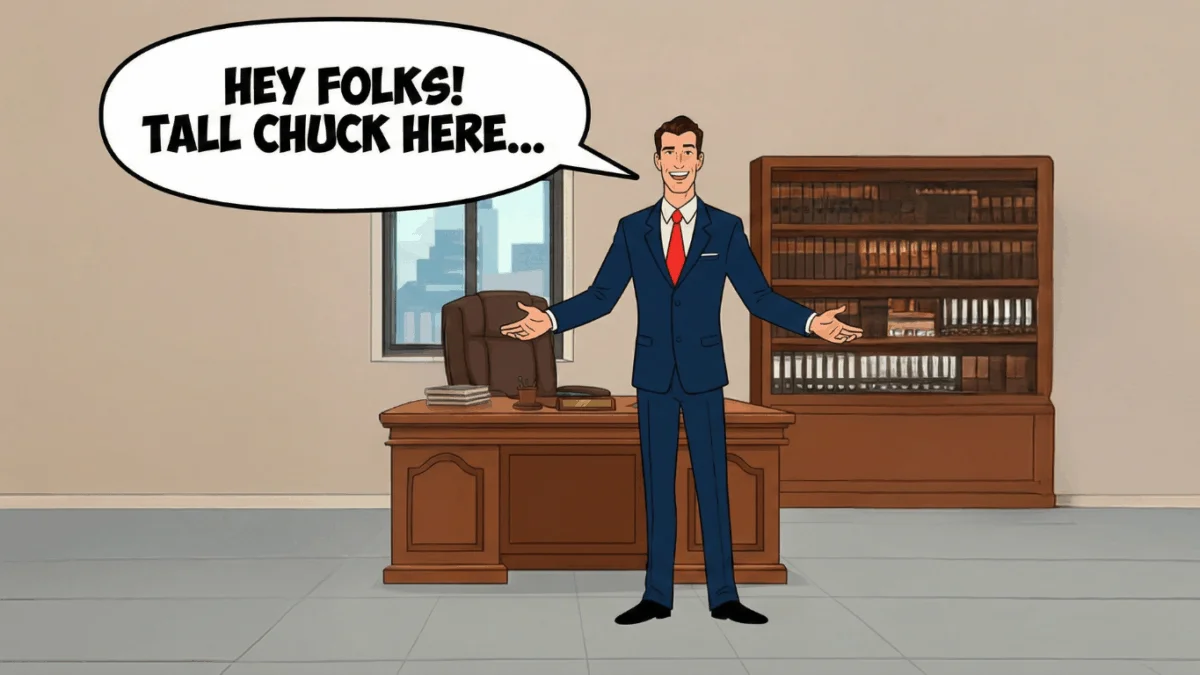
Hey folks, Tall Chuck here.
This one’s tough to talk about - when someone you love is gone because someone else didn’t do their job or made a reckless choice, you don’t just feel grief. You feel that deep, burning sense that something has to be made right.
From where I’m standing, wrongful death isn’t just a legal phrase. It’s what happens when carelessness crosses the line and costs a family everything. And while no courtroom can fill that hole, the law can hold someone accountable for it.
So, let’s take this step by step. I’ll walk you through how to prove a wrongful death lawsuit - what evidence matters, what mistakes to avoid, and how families turn heartbreak into action.
If your first question is “how do you prove wrongful death?”, you’re already standing tall because understanding it is the first step to fighting back.
Before We Begin: What You Need to Know About Wrongful Death Proof
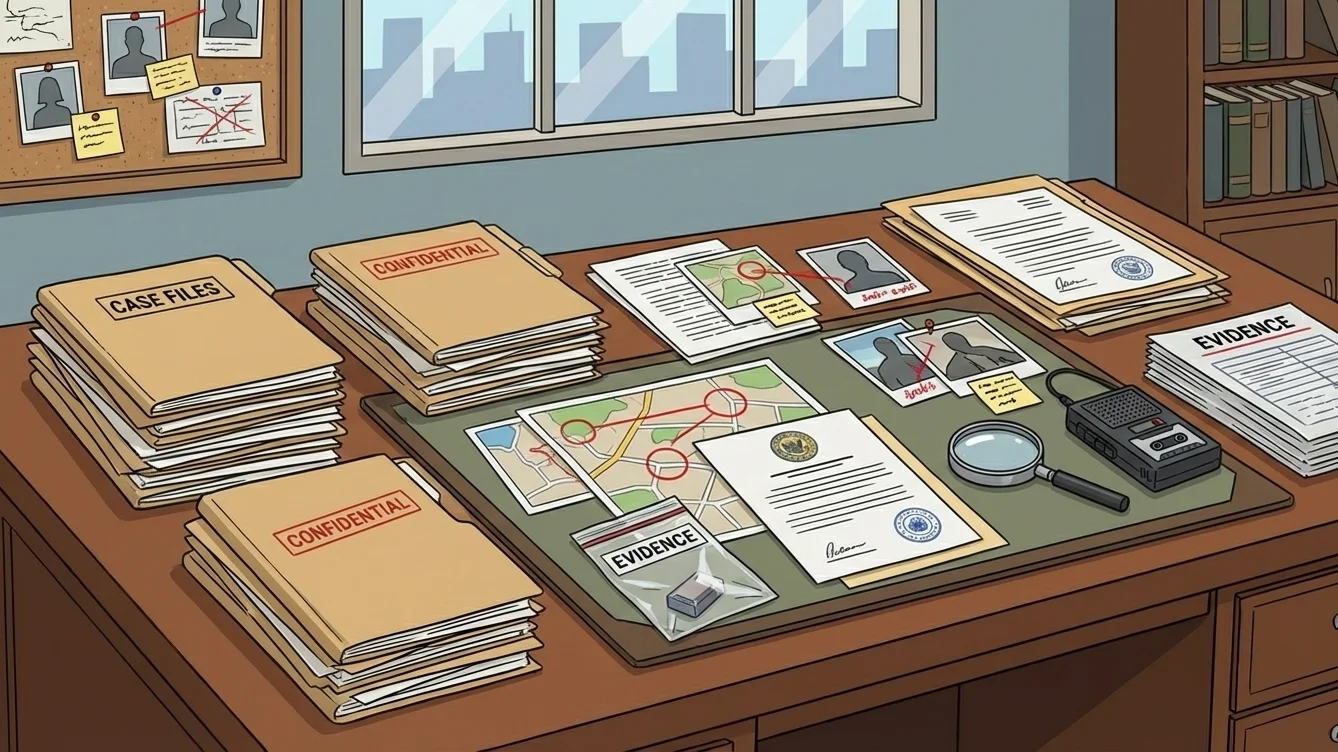
Before diving into the eight legal steps, there’s one thing we need to clear: proving wrongful death isn’t about emotion alone - it’s about establishing legal facts.
A wrongful death claim is a civil lawsuit filed by surviving family members or an estate representative against the person or company believed to be responsible for the death. To win, you’ll have to prove four key elements:. See also: who can file a wrongful death claim.
- That the defendant had a duty of care (a legal obligation to act reasonably).
- That they breached that duty through negligent conduct.
- That the breach caused the death directly or indirectly.
- That the family suffered measurable damages - emotional, financial, or otherwise.
Some states limit who can file these lawsuits - usually spouses, children, or estate representatives. Others allow extended family members. That’s why proving wrongful death always depends on your state’s statute and wrongful death act, whether you’re in Texas, California, or Maine. Learn more about signs that a death may be wrongful.
From up here, I see too many families waiting too long to act - not realizing that statutes of limitations often give you only 1–3 years to file. Once that clock runs out, the courthouse door closes.
My advice?
“Time doesn’t heal evidence. Pull your records early, talk to legal counsel, and start building your proof before details fade.”
Free consultation
Lost a loved one to negligence?
We help families seek justice. Compassionate, experienced representation.
The 8 Steps to Proving Wrongful Death
Here’s the big picture before we go deeper into each:
- Confirm Legal Standing: Who can file the lawsuit
- Establish Duty of Care: Show the defendant owed a duty
- Prove Breach of Duty: Demonstrate negligence or misconduct
- Link Breach to Death: Establish causation
- Calculate Damages: Economic and emotional proof
- Gather and Preserve Evidence: Build your case foundation
- Work with a Wrongful Death Attorney: Strategic legal representation
- File and Litigate: The full lawsuit process and timelines
Each of these steps has its own rules, exceptions, and strategies - and we’ll walk through them together. No fluff. Just straight talk and solid legal footing.
Because, as I like to say: “Law shouldn’t feel like Latin. It should feel like help.”
Step 1: Confirm Legal Standing
Before we start swinging at the legal giants, we’ve got to make sure you’ve got your boots on the right feet - meaning, you need standing to sue.
“Standing” is one of those legal words that sounds fancier than it is. All it means is: are you legally allowed to bring this lawsuit to court?
I firmly believe this step decides whether a judge will even hear your case. Without it, the courthouse might as well have a closed sign on the door.
Legal Definition of Standing in a Wrongful Death Case
In civil law, standing refers to your right to file a lawsuit because you have a direct and personal stake in the outcome.
Wrongful death statutes - which vary by state - decide exactly who qualifies.
Typically, those who can file include:
| Eligible Party | Explanation |
| Spouse of the deceased | Usually the first in line to sue |
| Children | Both minor and adult children can qualify |
| Parents of the deceased | If the decedent had no spouse or children |
| Executor/Administrator of the estate | Files on behalf of heirs and distributes settlement funds |
| Financial dependents (some states) | Limited recognition depending on jurisdiction |
👉 Legal Reference Note
Most U.S. states model their statutes after the Uniform Wrongful Death Act, but local variations control.
- Texas: Tex. Civ. Prac. & Rem. Code § 71.004 limits actions to the spouse, children, and parents.
- California: Cal. Code Civ. Proc. § 377.60 allows certain dependents and domestic partners to sue.
- Florida: Fla. Stat. § 768.19–20 names the estate’s personal representative as the filer for surviving beneficiaries.
(Translation by Chuck: Every state’s got its own rulebook. You can’t play the same game in Texas and expect California calls.)
Why Standing Matters So Much
Having legal standing isn’t just a box to check; it’s the foundation of your wrongful death lawsuit proof.
If you file without it:
- The court will dismiss your case before examining negligence evidence.
- You could lose your right to recover damages permanently.
- The statute of limitations clock keeps ticking while the wrong paperwork sits on file.
Multiple Claims and Consolidation
Sometimes, more than one eligible person tries to file - for instance, adult children and the spouse separately. Most courts prefer one unified wrongful death action to prevent double recovery or conflicting judgments.
If multiple suits arise, courts usually consolidate them under one representative, typically the estate’s executor.

Pro Tip from Tall Chuck
From up here, I’ve seen too many families lose good cases over a technicality. Maybe a cousin files instead of the executor, or siblings can’t agree on who should represent the estate.
“That dog won’t hunt,” as we say in Texas. Wrong filer, wrong form, wrong result.
Here’s how to keep your footing:
- Identify your role early. Are you a spouse, child, or estate rep?
- Check your state law. Confirm whether you’re the authorized party.
- File under the right name. Many states only accept filings from the executor or personal representative, even if you’re an heir.
- Don’t delay coordination. Family disputes can erode credible timelines and public records.
Final Takeaway
- Pull out the death certificate and the estate papers. Whoever’s listed as the executor or representative likely leads the charge.
- Don’t have one yet? File a petition to open the estate first - that’s your ticket to standing tall in court.
Step 2: Establish Duty of Care
Now that you know who can take a case to court, the next job is to show that the other side owed your loved one a duty of care - a legal obligation to act as a reasonable person would have in the same situation.
As I say, this step answers one simple question: did the defendant have a responsibility to keep someone safe and fail to do it?
Legal Definition of Duty of Care
In wrongful death law, a duty of care is the recognized legal relationship between two parties that requires one to act (or not act) in a way that avoids foreseeable harm to the other. Common examples include:
| Situation | Example of a Duty of Care |
| Drivers on public roads | Must operate their vehicles safely and follow traffic laws. |
| Doctors and medical staff | Must provide treatment that meets the accepted medical standard. |
| Employers and contractors | Must maintain safe worksites and proper supervision. |
| Manufacturers | Must design, test, and label products to prevent injury. |
| Property owners | Must keep premises reasonably safe for invited guests. |
(Translation by Chuck: A duty of care’s just a fancy way of saying, “You had one job - keep folks out of harm’s way.”)
How Courts Decide Whether a Duty Existed
Judges look at a few key factors to decide whether a defendant owed that duty:
- Foreseeability of harm - Could a reasonable person have predicted the danger?
- Relationship between parties - Was there a professional, contractual, or societal connection?
- Public policy considerations - Would recognizing the duty serve justice or open the floodgates for endless suits?
- State statutes and precedent - Each state’s appellate decisions guide what duties apply.
For instance:
- Texas: Courts rely on the Greater Houston Transportation Co. v. Phillips (1997) factors, weighing foreseeability and potential social costs.
- California: The Rowland v. Christian (1968) test uses foreseeability, moral fault, and preventive policy.
- Florida: Common‑law negligence principles under Fla. Stat. § 768.81 and case law like McCain v. Florida Power Corp. define duty through foreseeable risk.
Why Duty of Care Matters in Proving Wrongful Death
Without an established duty, you can’t prove negligence - and without negligence, there’s no wrongful death case to prove. Duty connects your evidence to legal responsibility.
Fail to prove it, and even airtight evidence of harm won’t matter. Prove it clearly, and the rest of your lawsuit builds on solid ground.

Pro Tip from Tall Chuck
“I always tell folks - before you plant your flag, make sure you know where the fence line runs.”
Meaning: find the legal relationship first. Was it a doctor‑patient, employer‑employee, driver‑pedestrian setup? That’s your fence line. Cross it, and duty’s proven.
Here’s Chuck’s quick‑check:
- Identify the relationship. Who owed your loved one a safety obligation?
- Pinpoint the standard. What would a reasonable person or professional have done?
- Compare actions to that standard. If they fell short, duty’s breached - and you’re already halfway home.
Final Takeaway
- Every wrongful death case starts with a clear duty. No duty, no claim.
- Gather proof of the relationship - contracts, job records, medical charts, or eyewitness accounts.
- Once the duty of care is mapped, Step 3 (breach of duty) shows exactly how the defendant broke it.
Step 3: Prove Breach of Duty
Once you’ve shown that a duty existed, the next hurdle is proving that the defendant breached that duty - in plain talk, that they didn’t do what a reasonable person or professional should have done.
Needless to say, this is where the rubber meets the courthouse steps.
Legal Definition of Breach of Duty
A breach of duty occurs when a defendant’s actions (or failure to act) fall below the accepted standard of care and directly create risk or injury.
Examples:
- A surgeon leaving medical instruments inside a patient’s body.
- A truck driver speeding through heavy rain.
- A property owner ignoring rotted balcony rails.
(Translation by Chuck: It’s simple - you promised to play it safe, but you didn’t.)
How to Prove a Breach
You do it with evidence and expert interpretation.
- Eyewitness testimony – Confirms reckless conduct.
- Expert witnesses – Compare the defendant’s acts to what a competent peer would have done.
- Photo / video evidence – Shows unsafe conditions or ignored repairs.
- Internal records – Emails, inspection logs, or prior complaints showing knowledge of danger.
Courts decide breach questions by applying the “reasonable person standard,” or, in specialized fields, the “professional standard of care.”
Pro Tip from Tall Chuck
“I’ve seen this rodeo before - folks saying ‘accidents happen’ when really they broke safety rules on page one.” Document everything early. Pictures, nurse notes, crash reports - they’ll all help you prove that duty wasn’t just ignored, it was trampled.
Final Takeaway
- Compare the defendant’s behavior against community safety norms or industry rules.
- Secure expert opinions as soon as possible.
- With concrete proof of breach, you’re ready to connect it to what followed next - the death itself.
Step 4: Link Breach to Death (Causation)
Showing carelessness isn’t enough - you’ve got to prove that the wrongdoing actually caused the death. Lawyers call this causation.
Legal Definition of Causation
There are two kinds:
- Cause‑in‑fact - “But for” the defendant’s conduct, the death wouldn’t have occurred.
- Proximate cause - The harm was a reasonably foreseeable result of that conduct.
(Translation by Chuck: Cause A led to Result B, plain and simple.)
How to Prove Causation
- Medical evidence: Autopsy results, toxicology reports, or hospital records tracing injury → death.
- Expert testimony: Forensic professionals explaining how the breach created fatal conditions.
- Chronology charts: Clear timelines connecting the act to the outcome.
Courts reject speculation - they want direct linkage, not guesswork.
Pro Tip from Tall Chuck
“Standing tall means connecting every dot, not skipping the ones that hurt to look at.” Even small facts - like time of death or product recall notices - can tie a case together. Causation is often the hardest hill to climb. Keep all scientific and eyewitness evidence tight and verified; it’s what transforms a tragedy into a provable case.
Step 5: Calculate Damages: Economic and Non‑Economic Loss
Once liability is clear, you must prove the extent of loss. Courts call this damages.
Types of Damages
| Economic Damages | Explanation |
| Lost earning capacity | Projected income the decedent would have provided. |
| Medical bills / Funeral costs | Expenses directly tied to the death. |
| Loss of benefits | Pensions or insurance that ended with death. |
| Non‑Economic Damages | Explanation |
| Loss of companionship | The emotional value of the relationship. |
| Pain and suffering | The decedent’s conscious pain before death. |
| Emotional distress | Sorrow suffered by survivors. |
Proof Required
Pay stubs, tax records, medical invoices, therapy notes, life‑expectancy tables - each anchors the value of the claim in reality.
Pro Tip from Tall Chuck
“Folks, juries believe math more than emotions - so turn grief into numbers that show the truth.” Work with economists or actuaries early to solidify financial estimates. Provide verifiable documentation for every loss, even the heart‑heavy ones. That’s how compensation stands up in negotiation or trial.
Step 6: Gather and Preserve Evidence Effectively
A solid wrongful death claim lives or dies on evidence management.
Critical Evidence to Secure
- Death certificate and autopsy report
- Police or OSHA investigation reports
- Medical records and bills
- Photos / videos from incident site
- Witness contact information
- Employment and income records
Chain of custody matters - keep originals safe and timestamped.
Pro Tip from Tall Chuck
“That paper trail’s your backbone. Lose it, and your case walks with a limp.” Set up a digital evidence folder or use your lawyer’s case management portal to store everything securely. Good evidence tells the story for you. Treat it like gold - organized, documented, locked tight.
Step 7: Work with a Wrongful Death Attorney
Even the strongest families need reinforcements. A seasoned attorney navigates procedures, negotiates with insurers, and keeps the defense from twisting facts.
How an Attorney Helps
- Investigates liability and hires experts.
- Files motions and manages discovery deadlines.
- Calculates real‑world damages.
- Handles insurance and settlement talks.
- Represents you in court when settlement fails.
Most wrongful death lawyers work on contingency fees - meaning you pay nothing unless recovery occurs.
Pro Tip from Tall Chuck
“Even I don’t walk into a courtroom alone. Pick someone who fights like family, not just for a fee.” Check credentials, prior verdicts, and local success rates before signing an agreement. A qualified attorney ensures that legal standing, duty, breach, cause, and damages all connect cleanly - maximizing the chance of justice served.
Step 8: File and Litigate the Claim
With your proof assembled, it’s time to step into the official process.
Filing the Lawsuit
- Draft the complaint outlining allegations and damages.
- File within the state’s statute of limitations (usually 1–3 years).
- Serve the defendant properly.
Litigation Phases
- Discovery: Exchange of evidence and depositions.
- Mediation / Settlement: Attempt to resolve before trial.
- Trial: Presentation of proof and cross‑examination.
- Verdict / Appeal: Court either awards damages or the losing side appeals.
Pro Tip from Tall Chuck
“Courtrooms ain’t fast‑food joints - patience wins here.” Keep communication open with your attorney and respond quickly to document requests to maintain momentum. The litigation path is long but structured. Each motion, witness, and exhibit brings you closer to closure and accountability.
Proving Wrongful Death - Quick Checklist Summary
Before we wrap things up, here’s your quick-reference guide to what must be proven in every wrongful death lawsuit.
✅ Step-by-Step Proof Elements
- Standing to Sue – Confirm that the person bringing the action (spouse, child, parent, or estate representative) has the legal right to file in your state.
- Duty of Care – Show that the defendant owed a reasonable duty to avoid putting your loved one in harm’s way.
- Breach of Duty – Demonstrate that the defendant’s conduct fell below accepted safety or professional standards.
- Causation – Link the breach directly to the death using medical, scientific, or expert evidence.
- Damages – Establish measurable losses: income, medical costs, funeral expenses, and emotional suffering.
- Evidence Preservation – Secure records, photos, witnesses, and digital files early; keep chain of custody intact.
- Attorney Support – Retain a wrongful death attorney who understands state-specific statutes and deadlines.
- Litigation Process – Follow state procedure from complaint to verdict within statutory time limits.
(Translation by Chuck: Duty. Breach. Cause. Damage. Those four posts hold your claim upright. Line ’em right, and the law’s fence won’t fall.)
Conclusion: Turning Proof into Justice
Grief might shake you, but it doesn’t have to break you. Every family I meet has one thing in common - they just want the truth to stand as tall as their memories.
Understanding each part of a wrongful death lawsuit isn’t about memorizing statutes - it’s about reclaiming control, step by step. When negligence takes someone you love, civil remedies are how you set things straight and claim the justice your family deserves.
At Bennett Legal, we stand shoulder‑to‑shoulder with families across the country, fighting for negligence accountability, full legal compensation, and the dignity every lost life deserves. Whether it means gathering experts, confronting insurers, or taking the case to trial - we build claims that reflect the real story, not just what’s written on a police report.
“You’re not just another file on our desk. You’re a neighbor whose story matters - and we’ll fight to make sure it’s heard loud and clear.” - Tall Chuck
Bennett Legal: Standing Tall for What’s Right
At Bennett Legal, wrongful death representation means more than filing lawsuits - it means protecting families, preserving legacies, and demanding accountability from those who put profits over people.
We work to:
- Investigate each case thoroughly, using accident reconstruction, medical records, and expert testimony to prove liability.
- Calculate total damages - lost income, healthcare costs, emotional suffering - so no family settles for less than what’s fair.
- Hold negligent parties accountable, from individual defendants to large corporations.
- Guide you through every procedure so you never feel lost in the legal process.
Our attorneys have pursued complex wrongful death cases in Texas, California, Florida, and beyond, consistently delivering outcomes that restore stability and peace of mind.
When tragedy strikes, you shouldn’t have to walk that road alone.
Let Bennett Legal carry the fight while you focus on healing.
👉 Contact Bennett Legal today for a free case evaluation.
Because when loss changes everything, we make sure justice changes the outcome.
FAQs
How long do wrongful death claims take?
Most claims take 12 to 36 months, depending on case complexity, expert availability, and court docket speed. Claims that settle tend to wrap up faster than those that proceed to trial.
What’s the average wrongful death settlement?
While many claims result in significant settlements, outcomes vary widely depending on the unique facts of your case, the defendant’s insurance, and your state’s laws.
What is the hardest part of proving wrongful death?
Causation. You must clearly connect the defendant’s negligence to the death with medical reports, autopsy evidence, and expert analysis. Emotional testimony alone doesn’t meet the burden of proof.
Does comparative negligence affect a wrongful death case?
Yes. In comparative fault states such as Texas or Florida, a jury can reduce compensation if the decedent shared responsibility for the accident. If the decedent was more than 50% at fault, recovery may be barred entirely.
Related Reading
Free consultation
Lost a loved one to negligence?
We help families seek justice. Compassionate, experienced representation.