If you need help, learn more about our Wrongful Death / Catastrophic Injury.
DISCLAIMER: This article provides general information and is not legal advice. Wrongful death law is extremely complex and varies significantly by state, including who can file and the deadline to do so (Statute of Limitations). Do not use this information to make filing decisions. You must consult a qualified attorney in your jurisdiction immediately.
Hey folks, I’m Tall Chuck from Bennett Legal.

One of the hardest moments for families after losing someone suddenly is figuring out who actually has the right to take action. I hear it all the time:
“We all loved her - so why does the court say only one of us can file?”
Wrongful death law was built to give structure to heartbreak. It ensures that one recognized voice speaks for the whole family, rather than several separate lawsuits fighting over the same loss.
But those rules - who qualifies, what deadlines apply, and how proceeds get shared - change from state to state.
In this guide, we’ll walk through who can file a wrongful death lawsuit, how the process works, and how to make sure your claim begins under the right name. Learn more about the difference between wrongful death and accidental death.
You’ll learn:
- Which family members or representatives have legal standing
- What steps follow once eligibility is confirmed
- Common filing mistakes that derail valid cases
This article won’t drown you in legal jargon - just clean explanation and clear action steps.
The Purpose of a Wrongful Death Claim
A wrongful death claim exists to do two things:
- Hold a negligent person or company accountable
- Provide financial support for the family members left behind
When a life is cut short - by a reckless driver, a careless employer, or a defective product - the law allows certain survivors to step forward and claim damages. These can include:
- Lost earnings the deceased would have provided
- Medical and funeral expenses
- Loss of companionship and emotional support
- Future contributions or services the person would have given to the household
It’s not about putting a price on love - it’s about ensuring the people who were depending on that person aren’t left without protection.
How Eligibility Connects to Purpose
The law only recognizes certain claimants because it needs clear lines of representation. Without that, multiple lawsuits could clash - spouses, children, and parents all suing separately for the same incident. Learn more about how COVID-19 affects people with Alzheimer's.
By choosing one qualified plaintiff - often the estate representative or a close relative - courts ensure the case moves efficiently and damages are distributed fairly.
Eligible Parties Who Can File a Wrongful Death Claim
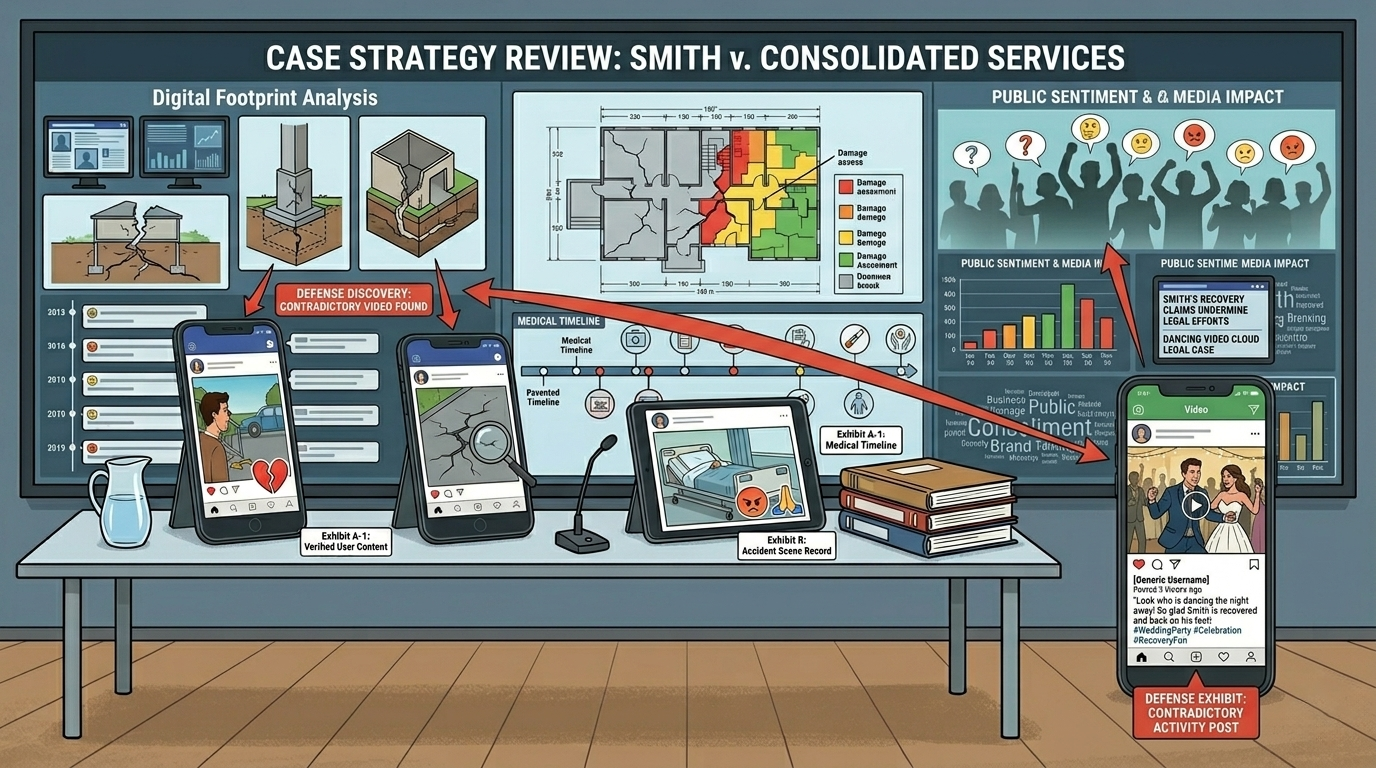
When lawyers talk about who can file a wrongful death lawsuit, they’re referring to standing - the legal right to bring the claim before a court. The rules are determined by each state’s wrongful death statute, and those statutes decide exactly which family members or representatives can act on behalf of the deceased. Below is a breakdown of the most common categories of eligible claimants, along with how those rights can vary by state. Learn more about how social media can impact a wrongful death case.
1. Spouses
In nearly every jurisdiction, a spouse has the first right to file a wrongful death action. Marriage creates an automatic legal relationship - and that connection gives spouses standing to claim losses like companionship, emotional distress, and financial support.
Important nuances:
- Separated but still legally married spouses often retain filing rights.
- Common-law partners have eligibility only if their state recognizes the union (e.g., Texas).
- Remarriage after the death does not disqualify claims filed earlier.
Example: A widowed spouse in Texas may file individually under Tex. Civ. Prac. & Rem. Code § 71.004, even if the couple had been living separately before the accident.
2. Children
Children - minor or adult - generally have standing to file if there is no surviving spouse, or may join the primary action if permitted by law. They can recover for loss of parental support, guidance, and future inheritance.
Things to know:
- Adopted children usually hold the same rights as biological children.
- Stepchildren qualify only when financially dependent and recognized under state law.
- Adult children may file independently if no spouse exists.
3. Parents
When an unmarried or childless adult dies, parents often become the eligible claimants. Parental rights can differ widely depending on the victim’s age and the family’s circumstances.
By state example:
- California: Parents may bring a claim if they were financially dependent on the decedent (Cal. Civ. Proc. § 377.60).
- Florida: Parents of a minor child always qualify; parents of an adult child qualify only if there are no other survivors (Fla. Stat. § 768.21).
- Texas: Parents have an equal right with spouses and children (Tex. Civ. Prac. § 71.004).
4. Executor or Personal Representative of the Estate
Every state allows the executor or court-appointed administrator to act when there are multiple heirs. That representative files one consolidated lawsuit on behalf of all eligible beneficiaries and manages the distribution of proceeds after settlement or verdict.
Why it matters: Centralized claims prevent duplicate filings and ensure settlement funds are divided according to will, trust, or statute. (Chuck’s input, professional tone)
“One voice in court keeps families aligned and claims clean. Let the paperwork fight the case - not the relatives.”
5. Other Dependents and Recognized Heirs
Some states broaden eligibility to include others who relied on the deceased for financial support or household needs.
Examples:
- Domestic partners: Recognized in California and a few other states.
- Financially dependent siblings or grandparents: Sometimes permitted if no immediate family exists.
- Legal guardians or foster parents: May qualify under specific dependency provisions.
| State | Eligible Claimants | Statutory Citation |
| Texas | Spouse, children, parents | Tex. Civ. Prac. & Rem. Code § 71.004 |
| California | Spouse, domestic partner, children, dependents of deceased lineage | Cal. Civ. Proc. § 377.60 |
| Florida | Personal representative for spouse, children, parents, and dependents | Fla. Stat. § 768.20 – 21 |
| New York | Personal representative of estate for beneficiaries defined by EPTL 5‑4.1 – 4.3 | N.Y. Est. Powers & Trusts Law §§ 5‑4.1 etc. |
When Uncertainty Exists
If multiple family members meet the criteria or disagree about who should file, courts favor a single unified action led by the estate representative. This reduces costs, prevents inconsistent verdicts, and keeps the statute of limitations intact.
Bennett Legal’s approach: We verify your state’s exact eligibility rules before a single form is filed. That way, your claim starts on solid legal footing and no one wastes time fighting procedural battles instead of seeking justice.
When Families Disagree on Who Should File
After a loss, emotions run high and confusion follows fast. Sometimes multiple relatives believe they should be the one to represent the family. The law calls this a conflict of standing, and if it isn’t resolved properly, it can stall or even destroy a valid wrongful death claim.
Common Disputes
- Spouse vs. adult children over who files first
- Parents disagreeing on who should act when a minor child dies
- Co-executors or siblings filing separate cases in different counties
Why It Hurts the Case
Multiple filings can lead to:
- Dismissal or consolidation delays, pushing everything closer to the statute of limitations deadline
- Split settlements that leave heirs fighting each other instead of the at-fault party
- Credibility issues before the court - judges prefer speaking with one representative, not a fractured family
How Bennett Legal Resolves It
- Verify eligibility under state law before drafting any complaint
- Mediate family decisions through probate channels - not courtroom surprises
- Appoint a personal representative or administrator so everyone’s rights are protected in one case
- File a unified petition, preventing duplicate lawsuits and preserving all claims within one action
“A house divided can’t win a case. Get on the same page, and the law will listen.”
Section 4: Filing a Wrongful Death Claim - Step-by-Step

Once the right person or representative is identified, the case moves through a structured series of actions.
Step 1: Confirm Eligibility
Before filing, it’s critical to determine who has the legal right (“standing”) to bring a wrongful death claim under state law. This can vary widely depending on the jurisdiction and the family’s relationship to the deceased.
A lawyer is vital at this stage because wrongful death statutes are complex and the eligibility rules differ by state - sometimes only the executor, surviving spouse, or dependent children can sue. An experienced attorney can interpret these statutes, prevent filing errors that could invalidate the case, and ensure the correct representative is appointed before proceeding. Consulting Bennett Legal early helps families avoid costly procedural missteps and ensures the claim begins on solid legal ground.
Step 2: Open an Estate (if required)
For the claim to move forward, the court must legally recognize the representative. Bennett Legal handles this crucial, time-sensitive probate step so the family doesn’t have to.
Step 3: Gather Evidence and Records
Collect contracts, police reports, medical records, and financial documents to establish duty, breach, causation, and damages.
Step 4: File the Complaint
Submit the initial lawsuit within statutory deadlines (usually 1–3 years). Bennett Legal attorneys draft clear, complete petitions to avoid technical dismissals.
Step 5: Serve the Defendant
Proper service ensures the court recognizes the case and the defense must respond.
Step 6: Proceed Through Litigation
Includes discovery, depositions, mediation, and, if necessary, trial and appeal. Throughout each phase, Bennett Legal keeps families informed - no guessing, no silence.
What Happens After Filing
After submission, the process becomes evidence-heavy and deadline-driven.
- Discovery: Both sides exchange information - documents, witness lists, expert reports.
- Mediation or Settlement: Often required before trial. A strong evidence package encourages higher offers.
- Trial: If no settlement is reached, the case goes before a judge or jury to determine liability and damages.
- Distribution of Damages: Funds are paid to the estate and then divided according to court order or statute
(Chuck’s reminder)****: “Patience is part of the process. Justice is worth the wait if you walk it right.”
Common Mistakes When Determining Eligibility
- Assuming any relative can file without checking state statutes
- Ignoring the need to open an estate first
- Waiting too long and missing the filing deadline
- Relying on verbal agreements among family members without legal documentation
- Filing in the wrong court or under the wrong representative
At Bennett Legal, we catch these issues early - before they cost a case. Eligibility verification is our first step in every consultation.
Bennett Legal: Guiding Families to the Right Start
Bennett Legal helps families determine who can file a wrongful death claim and how to move forward without missteps. We handle eligibility reviews, estate setup, and filings nationwide.
We work to:
- Confirm legal standing under state law
- Prepare estate and probate documentation
- Coordinate evidence and expert support
- Keep families aligned and informed
- Pursue full compensation for loss and future security
👉 Contact Bennett Legal today for a free consultation on wrongful death claim eligibility.
Because the right start makes every step toward justice count.
Free consultation
Lost a loved one to negligence?
We help families seek justice. Compassionate, experienced representation.
FAQs
**Who can file a wrongful death claim?**Usually a spouse, child, or parent. If none qualify, the estate’s personal representative may file.
**Can multiple family members file separately?**No. Courts require one unified lawsuit to prevent duplicate claims.
**What if the family disagrees?**A probate court can appoint a neutral administrator. Bennett Legal resolves these conflicts early.
**What is the deadline to file?**Most states allow 1–3 years from the date of death.**What if I’m unsure whether I qualify?**A consultation with Bennett Legal can confirm eligibility under your state’s law.
Related Reading
Free consultation
Lost a loved one to negligence?
We help families seek justice. Compassionate, experienced representation.