If you need help, learn more about our Workplace Injuries.

After the sudden loss of a loved one, it’s natural to be unsure whether what happened would be considered “wrongful death” under the law.
You may be replaying events in your mind, thinking:
- Was this just a tragic accident, or should someone be held legally accountable?
- Would a lawyer even take my case?
Families often delay legal action because they’re not sure if their situation qualifies - and unfortunately, time lost can close the door on justice due to filing deadlines. Learn more about Brain Injury Awareness Month.
8 Signs You May Have a Wrongful Death Claim
This guide is meant to help you recognize common signs that a death may be considered wrongful in legal terms. We’ll also show the flip side for each sign - examples of when it likely would not qualify - so you have a realistic view before calling a lawyer.
Each sign explains a frequent indicator that courts, insurers, and attorneys look for when evaluating a wrongful death case. Under each indicator, you’ll see comparisons: one example that tends to qualify as wrongful death, and another where the law would likely see it as an accident without liability.
We’ll highlight legal implications if misinterpreted - cautionary notes on what could go wrong if you assume a death is wrongful without meeting the legal criteria.
If, after reading these signs, several apply to your situation, it’s time to speak to a wrongful death attorney immediately.
#1. Someone’s Actions (or Inaction) Contributed to the Death
One of the strongest indicators of wrongful death is that another person or entity did something - or failed to do something - that directly contributed to the loss of life.
Compare and Contrast
- Likely Wrongful Death: A delivery truck driver speeds through a red light while texting, striking another vehicle and killing its driver. The driver’s negligent action breached a duty to follow traffic laws.
- Likely Not Wrongful Death: A hiker dies after being struck by lightning during a sudden storm, with no warnings or safety lapses from any responsible party. It’s an accident without human fault.
Why It Matters
If an unsafe or irresponsible act played a role in the death, the law may allow the surviving family to sue for damages. This focuses on fault - the act or omission must breach an established duty of care.
Legal Implications if You Misinterpret This
Assuming every tragic event involving another person’s presence counts as wrongful death can:
- Lead to filing against defendants who had no legal duty - wasting resources and possibly straining family cohesion if the defendant is someone known to the victim.
- Cause delays if the case is later reframed, potentially pushing past the statute of limitations.
- Result in missed opportunities: sometimes the fault is hidden - e.g., a storm-related death could actually involve negligence if safety equipment failed due to poor maintenance. If investigation is skipped, vital evidence may be lost forever.
#2. Clear Breach of a Legal Duty
A wrongful death claim requires proof that the party responsible violated a specific legal obligation to act safely or responsibly.
Compare and Contrast
- Likely Wrongful Death: An employer ignores repeated OSHA violations, and a worker dies in a preventable machinery accident. The employer breached its legal duty to maintain a safe workplace.
- Likely Not Wrongful Death: A driver follows all traffic laws, vehicle inspections show no defects, and an unavoidable collision happens during a sudden whiteout snowstorm - no identifiable breach of duty.
Why It Matters
The breach is the cornerstone of negligence. Without showing a violated duty - whether it’s a traffic law, medical standard, or safety regulation - you can’t establish liability in a wrongful death case.
Legal Implications if You Misinterpret This
Failing to identify a clear breach:
- Can result in cases being dismissed early for insufficient legal grounds.
- May push families to invest in expensive litigation that cannot succeed without this proof.
- Can lead to missing out on other legal avenues like product liability if the breach isn’t with a person but with a manufacturer’s duty.
#3. Direct Causation Between the Act and Death
It’s not enough to show a bad act - you must prove the act directly caused the death.
Compare and Contrast
- Likely Wrongful Death: A defective medical device fails during surgery and causes fatal bleeding - expert testimony links failure directly to the death.
- Likely Not Wrongful Death: A defective device is implanted, but the patient dies years later from unrelated cardiac failure - device played no role.
Why It Matters
Direct causation connects the breach to the outcome, making the negligence legally responsible for the death.
Legal Implications if You Misinterpret This
Misreading causation can:
- Lead to speculative claims courts won’t entertain.
- Cause lawyers to spend months chasing irrelevant defendants.
- Allow actual liable parties to escape responsibility while focus is misplaced.
#4. Measurable Losses for the Surviving Family
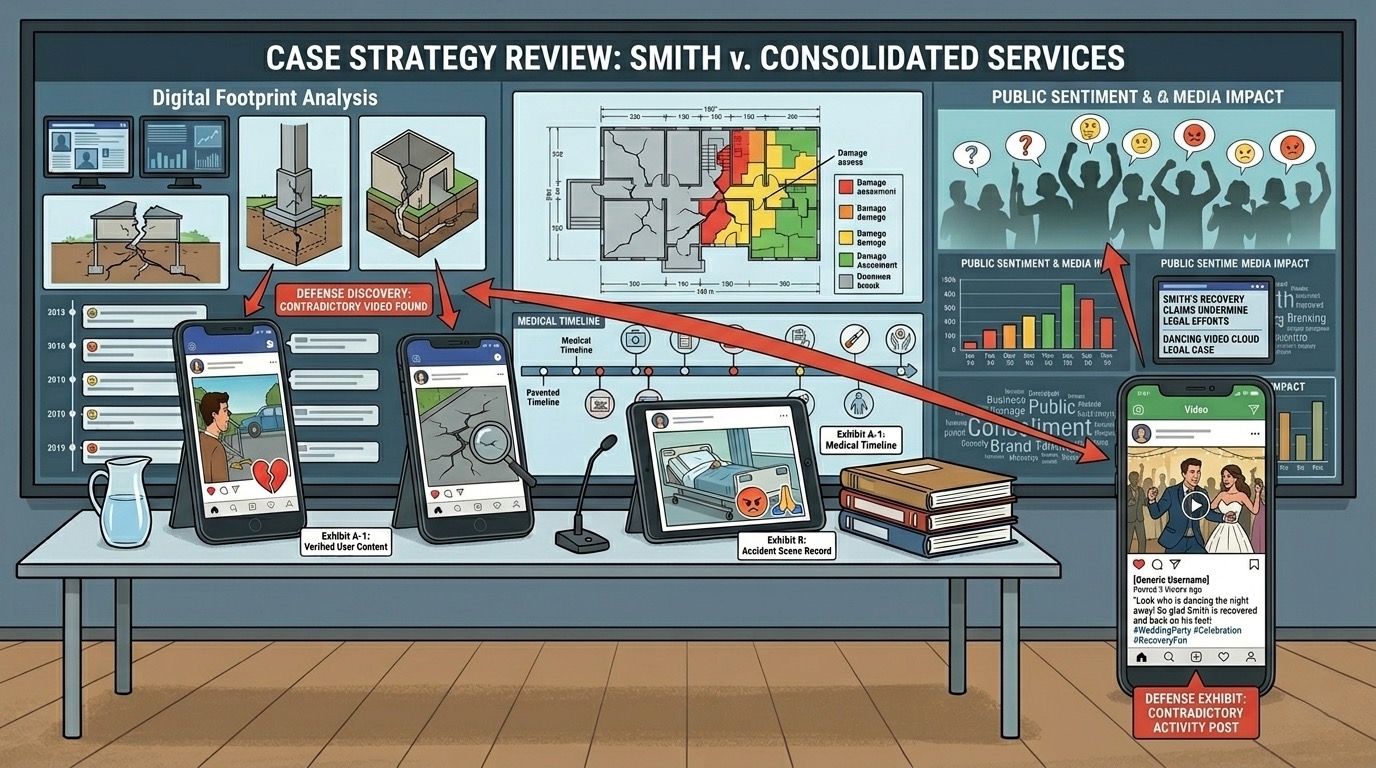
Wrongful death claims require showing that the death resulted in financial or emotional damages that can be recognized in law. Learn more about how social media can impact a wrongful death case.
Compare and Contrast
- Likely Wrongful Death: The deceased was the primary wage earner and caregiver; family loses income, benefits, and companionship.
- Likely Not Wrongful Death: A distant relative with no financial or emotional dependency dies, and the claimant cannot show tangible losses recognized by law.
Why It Matters
Proving measurable losses is essential for damages. Without it, even proven negligence may yield no compensation.
Legal Implications if You Misinterpret This
Assuming any death brings a payout:
- Can lead to zero recovery in cases without legal damages.
- May give families false hope, delaying acceptance or pursuit of alternative remedies like insurance.
- Missed opportunity: Sometimes losses can be calculated indirectly (e.g., caregiving value), but if not documented early, they’re lost.
#5. Available Evidence Supporting Negligence
Having evidence that supports fault strengthens the viability of a wrongful death claim.
Compare and Contrast
- Likely Wrongful Death: Police report cites speeding and red‑light violation; eyewitnesses corroborate events.
- Likely Not Wrongful Death: No witnesses, accident reconstruction inconclusive, and no regulatory or legal violations found.
Why It Matters
Evidence is what convinces courts, insurers, and juries. Even obvious negligence can fail in court without proof.
Legal Implications if You Misinterpret This
Overestimating the strength of a case:
- Leads to disappointment during litigation when proof requirements aren’t met.
- Can prompt defendants to refuse settlement if they believe you have no evidence.
- Delays recovery - waiting to “see how it plays out” instead of preserving evidence immediately can let proof vanish.
#6. Multiple Liable Parties May Exist
In many wrongful death cases, more than one person or entity shares responsibility - opening multiple paths for recovery.
Compare and Contrast
- Likely Wrongful Death: A fatigued truck driver causes a crash while hauling an overloaded trailer. Both the driver (negligence) and the trucking company (unsafe load policy) share liability.
- Likely Not Wrongful Death: A solo boating accident where the operator complied with all safety laws - no other contributing party, no breach of duty found.
Why It Matters
Multiple defendants can:
- Increase total available compensation by tapping multiple insurance policies.
- Strengthen the case if evidence shows several breaches converged to cause the death.
Legal Implications if You Misinterpret This
Assuming multiple liable parties when only one exists:
- Can waste time and resources pursuing non-liable entities.
- Defendants may claim “empty chair” defense, deflecting blame toward uninvolved parties.
- Overlooking contributory parties can cap recovery - if one key defendant isn’t named before the deadline, their insurance is off the table forever.
#7. Statute of Limitations Has Not Expired
Wrongful death cases face strict filing deadlines, often 1–3 years from the date of death - sooner in cases involving government entities.
Compare and Contrast
- Likely Wrongful Death: Death occurs 18 months ago from workplace safety violations; state allows 2 years to file, and no government immunity applies.
- Likely Not Wrongful Death: Death occurred 5 years ago with no statutory exceptions - legal window closed.
Why It Matters
Missing the statute means:
- The court will dismiss the case regardless of how strong the evidence is.
- Defendants can refuse any settlement knowing your right to sue is gone.
Legal Implications if You Misinterpret This
Believing there’s “plenty of time”:
- Leads to last-minute filings missing critical evidence.
- Causes families to focus on criminal cases or internal investigations while civil time limits expire.
- Statute miscalculations - thinking extension rules apply when they don’t - can cost you your entire claim.
#8. Criminal Charges or Safety Violations Are Involved
Wrongful death claims can be bolstered if authorities file criminal charges or cite safety violations against the responsible party. Learn more about the difference between wrongful death and accidental death.
Compare and Contrast
- Likely Wrongful Death: Drunk driver faces criminal vehicular homicide charges; police report details immediate causation.
- Likely Not Wrongful Death: Passenger dies in a rollover accident from poor road conditions but no human fault identified, and no charges filed.
Why It Matters
Criminal or regulatory findings:
- Provide independent validation of negligence.
- Can supply powerful evidence from investigations.
Legal Implications if You Misinterpret This
Assuming charges equal an automatic wrongful death win:
- Criminal outcomes don’t replace civil proof requirements.
- Acquittals or dropped charges may cause confusion - the civil claim could still succeed under a lower burden of proof, but only if pursued properly.
- Waiting for criminal resolution before filing civil claims risks missing civil deadlines.
#9. The Death Was Preventable With Reasonable Care
If a reasonable person or organization could have prevented the death by following accepted safety standards, it often signals wrongful death.
Compare and Contrast
- Likely Wrongful Death: Child drowns in an apartment pool with broken gates and no warning signage - landlord ignored safety standards.
- Likely Not Wrongful Death: Child drowns in a supervised pool during a sudden medical emergency, and all safety protocols were followed.
Why It Matters
Preventability is the heart of negligence analysis. It shifts the narrative from tragedy to legal accountability.
Legal Implications if You Misinterpret This
- You might rely on emotional arguments instead of provable standards of care.
- Missing industry-specific safety regulations can weaken how you frame preventability.
- Defendants may argue “reasonable care” was met if you can’t show recognized safety protocols were breached.
#10. Insurance and Legal Recovery Options Exist
Even with fault proven, wrongful death recovery depends on there being viable insurance coverage or assets to collect.
Compare and Contrast
- Likely Wrongful Death: Negligent driver has commercial auto insurance and employer coverage - claims can be paid.
- Likely Not Wrongful Death: Liable party is uninsured, judgment-proof, and has no attachable assets.
Why It Matters
Recovery potential shapes case strategy and willingness of attorneys to take the claim.
Legal Implications if You Misinterpret This
- Families may sink money into litigation only to discover recovery is impossible.
- Missing excess policy coverage or umbrella policies can leave significant money on the table.
- Defendants with no assets may still have coverage through employment or corporate ownership - overlooking this is a costly mistake.
Free consultation
Lost a loved one to negligence?
We help families seek justice. Compassionate, experienced representation.
Quick Checklist: Wrongful Death Indicators
✅ Negligence, recklessness, or intentional harm involved.
✅ Breach of a legal duty established.
✅ Direct causation between breach and death.
✅ Measurable damages recognized in law.
✅ Supporting evidence or investigations identifying fault.
✅ Multiple liable parties/insurance sources available.
✅ Filing window still open under state law.
✅ Criminal charges or safety violations present.
✅ Death was preventable under reasonable care standards.
✅ Recovery options (insurance/assets) exist.
Bennett Legal Clarifies the Signs and Builds Your Case
When someone’s death leaves unanswered questions about fault, families need clear, honest guidance about whether they have a case - and how strong it is.
At Bennett Legal, we know spotting the signs early matters.
We help you:
- Separate fact from assumption, finding real evidence of negligence.
- Move quickly to preserve proof so key witnesses and reports aren’t lost.
- Identify all liable parties and insurance sources for maximum recovery.
- Avoid costly missteps caused by misunderstanding statutes, deadlines, or accident classifications.
It starts with a conversation - one where we listen, review the facts, and explain your options in plain language.
📞 Contact Bennett Legal today for a free case evaluation - because understanding the signs now can protect your rights, your claim, and your family’s future.
FAQs
Q: Do I need all the signs for a case to succeed?
A: No - strong cases may rely on fewer signs if they are well-proven.
Q: If signs point to accidental death, should I still call a lawyer?
A: Yes - attorneys can uncover hidden negligence not obvious to families.
Q: What’s the fastest way to confirm I have a wrongful death claim?
A: Speak to a wrongful death attorney and provide all available evidence and records for evaluation.
Related Reading
Free consultation
Lost a loved one to negligence?
We help families seek justice. Compassionate, experienced representation.