If you need help, learn more about our Car Accident.
DISCLAIMER: This article provides general information and is not legal advice. Wrongful death law is extremely complex and varies significantly by state, including who can file and the deadline to do so (Statute of Limitations). Do not use this information to make filing decisions. You must consult a qualified attorney in your jurisdiction immediately.
Hey folks, Tall Chuck here.
You’ve just been through a wreck - maybe not your first rodeo, maybe your very first shake-up on the road - and before the dust even settles, the phone rings.
A calm voice says, “Hi, I’m from the insurance company. Just wanted to check how you’re doing.”. See also: how distracted driving now causes more serious wrecks than drunk driving.
Sounds nice, right? Friendly. Caring. Even helpful.
But let me level with you - behind that politeness is an entire playbook designed to limit what they pay out.
From up here, I’ve seen it too many times. The same soothing tone asking about your weekend is also taking notes on how to shave thousands off your claim.
Whether you’re calling your own insurer or talking to the other driver’s carrier, you’ve entered a high-stakes negotiation - and you didn’t even know there was a game coming.
Reality check: that call isn’t customer service. It’s damage control.
Insurers Aren’t on Your Team. Period.
Now don’t get me wrong - there are good people working in insurance. I’ve shared coffee with a few. But their bosses didn’t hand them bonus plans for making sure you get every dollar you deserve. Learn more about our $9 million verdict.
Insurance companies are in the risk business. Their profits depend on subtracting your pain from their spreadsheets. Every claim paid is an expense. Every claim minimized is a win.
That’s why they employ claims adjusters. The job description sounds neutral - “evaluate liability and damages.” In practice, it means: Find a way to pay less and close the file fast.
Adjusters work under constant pressure to hit quotas: average payout, closing time, settlement ratios. Less empathy. More efficiency.
From my seven-foot view, the pattern is clear. They’re not trying to heal your back or fix your car. They’re trying to keep shareholders smiling.
The Real Impact on You and Your Case
Here’s how that plays out when it hits real people:
- They bank on confusion: You’re sore, stressed, standing in a rental-car lot with paperwork in hand. They move fast, offering a small check to “cover things for now.”
- They capture your words: Casual phrases like “I think I’m fine” get logged, quoted, and replayed later to argue you weren’t badly hurt.
- They distort your timeline: Miss one appointment or delay paperwork, and suddenly the injury “couldn’t have been serious.”
- They manufacture doubt: Minor vehicle damage or old aches become alternative explanations, shifting blame from the crash to you.
The longer they control the conversation, the more momentum you lose. Once that early narrative is set - you weren’t hurt or you were partly at fault - you’re fighting uphill to undo it.
It’s not personal. It’s a policy. But it feels personal when you’re living it.
From up here, I’ve watched too many families sign releases too soon and settle too low because they trusted that “friendly voice.”
Tall Chuck’s Take: You can’t recover fairly from a wreck if the other side is busy rewriting your story.
Free consultation
Lost a loved one to negligence?
We help families seek justice. Compassionate, experienced representation.
6 Tactics Insurance Companies Use After a Car Wreck
Now that you know what game you’re walking into, let’s open the manual itself.
Here’s how the most “polite” corporate machine in America turns an injured driver’s confusion into savings on its bottom line - and how a firm that knows the tricks can see them coming a mile away.
Every one of these tactics is designed to chip away at the same thing: the value of your claim.
Lower medical bills on paper equals lower payout authority, which equals higher profit margins for them.
From where I’m standing, these aren’t adjustments. They’re strategies - and I’ll show you how we disarm every one of them.
So let’s flip the script. You deserve to know the rules before you step onto their playing field.
Tactic #1 – The “Fast Cash” Lowball Offer
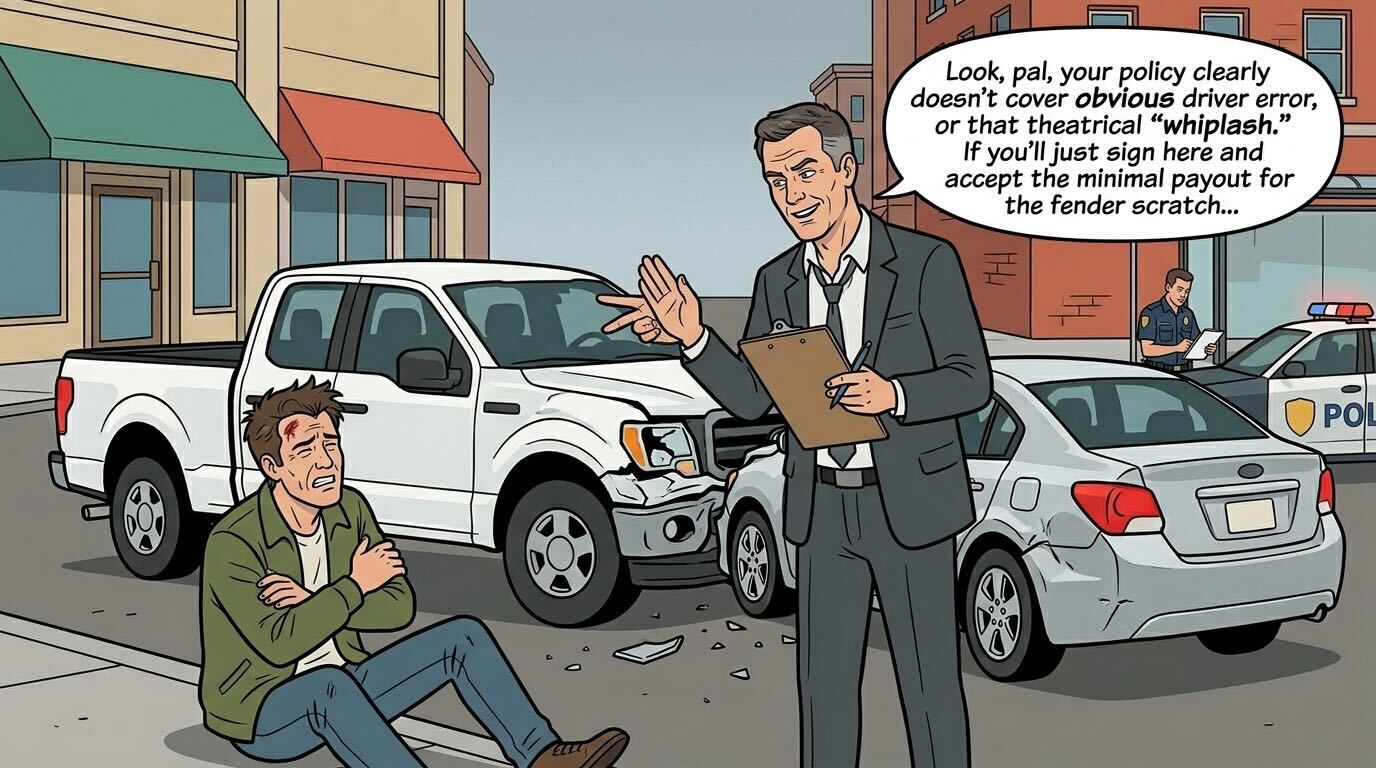
Within days - sometimes hours - of your wreck, an adjuster calls with a soothing tone and says, “Let’s get you a check so you can move on.” The amount sounds decent. No lawyers. No waiting. Case closed.
Why it hurts you
That “quick relief” is the insurance industry’s most profitable move. Most injuries don’t fully surface for days or weeks. Once you sign and cash that check, you waive all future recovery. If your injury worsens, that early payout can cost you tens of thousands.
How lawyers neutralize it
We pause the process, map your medical timeline, project long-term treatment costs, and calculate real economic loss - therapy, missed work, future pain management - then counter with evidence-based numbers.
Tall Chuck Pro Tip: Quick cash cures nothing but their quarterly report. Hold out for truth, not hush money. Call Tall Chuck to level the playing field.
Tactic #2 – Downplaying Injuries and Medical Care
Adjusters lean on phrases like “minor impact,” “light collision,” or “you didn’t need an ambulance,” using your instinct to downplay pain against you.
Why it hurts you
Once labeled “minor,” your injury gets capped. In real dollars, a $50,000 case can shrink to $5,000 in minutes.
How lawyers neutralize it
We audit early statements, recorded calls, and medical notes line by line, replacing subjective language with imaging, nerve studies, rehab referrals, and documented work loss.
Tall Chuck Pro Tip: They define “minor” by how far their boss’s desk is from your hospital bed.
Tactic #3 – Blaming Pre-Existing Conditions
Insurers pull old medical records and claim today’s pain is just yesterday’s problem resurfacing.
Why it hurts you
If they convince reviewers that part of your injury was pre-existing, your claim value gets slashed proportionally - sometimes before proper evaluation even begins.
How lawyers neutralize it
We use comparative imaging and expert analysis to distinguish healed conditions from new trauma, anchoring the case around what changed after this collision.
Tall Chuck Pro Tip: They’ll blame yesterday’s aches for today’s crash - we prove what belongs to now.
Tactic #4 – The “Friendly” Recorded Call
They call “just to get your side of the story,” sounding casual and helpful while recording every word.
Why it hurts you
One offhand phrase like “I felt fine yesterday” becomes ammunition to minimize your injuries or suggest partial fault.
How lawyers neutralize it
We eliminate recorded statements entirely by routing communication through counsel and, when needed, challenge improper questioning techniques to exclude recordings.
Tall Chuck Pro Tip: If it sounds like a chat, it’s a trap with hold music.
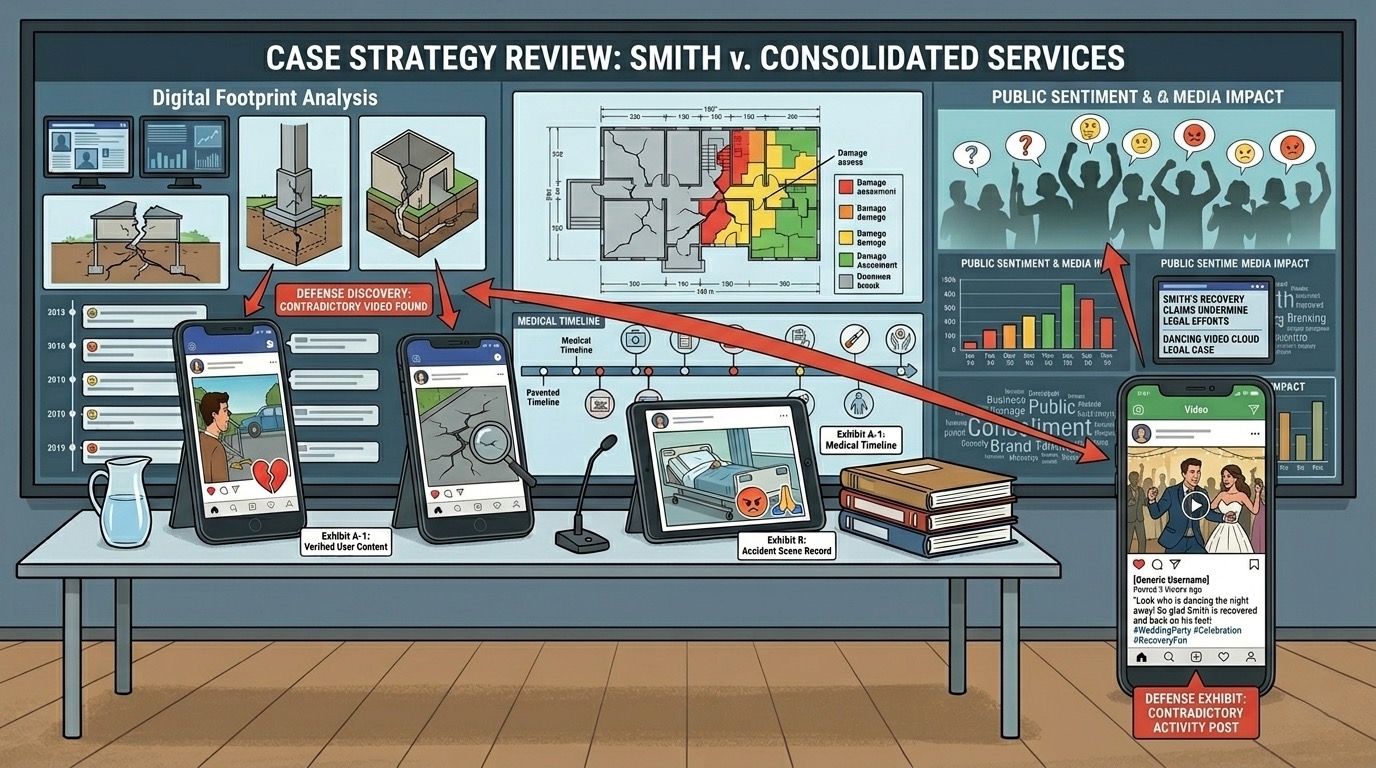
Tactic #5 – Mining Your Social Media
Adjusters monitor social platforms for anything they can spin against you.
Why it hurts you
A single smiling photo can be twisted into “proof” you weren’t hurt, even when taken between medical appointments.
How lawyers neutralize it
We advise clients to pause posting immediately and contextualize existing content with medical timelines showing treatment and limitations.
Tall Chuck Pro Tip: They scroll for smiles but skip the surgery receipts.
Tactic #6 – Dragging Out the Clock
Calls go unanswered, adjusters rotate, documents “disappear.” It’s deliberate.
Why it hurts you
Delay weakens evidence and pushes cases toward the statute of limitations, where your right to recover can vanish entirely.
How lawyers neutralize it
We calendar deadlines from day one, issue preservation letters, send formal demands, and file early when necessary to freeze the timeline.
Tall Chuck Pro Tip: They think time heals wounds and kills claims. We use the clock as our witness.
State-by-State Differences That Can Change Everything
Insurance tactics are national. Your protections are not.
Here are a few examples of how jurisdiction changes the battlefield:
| Issue | Why State Law Matters |
| Statute of Limitations | Filing deadlines range from 1 year to 6 years, depending on state and claim type |
| Comparative Fault Rules | In some states, being 51% at fault bars recovery entirely |
| Bad Faith Standards | Some states allow extra damages for insurer misconduct; others don’t |
| Recorded Statements | Consent and disclosure rules vary by state |
| Minimum Policy Limits | These caps can quietly limit recovery even in serious injuries |
If you assume your rights are the same as a friend in another state, you can lose leverage without realizing it.
Tall Chuck’s Translation: Geography isn’t just scenery. It’s a strategy.
Why These Tricks Matter
A question I hear all the time is: “If this is so manipulative, how do they get away with it?”
Here’s the uncomfortable truth:
Most insurance tactics live in the gray zone between lawful negotiation and strategic pressure.
- Adjusters are allowed to negotiate aggressively
- They are allowed to record statements (with notice)
- They are allowed to question causation and damages
- They are allowed to delay - up to a point
What they cannot do is commit fraud or bad faith. But proving bad faith requires evidence, timelines, and leverage - things injured people rarely have early on.
That’s why these tactics target the opening weeks. Before counsel. Before clarity. Before documentation catches up to reality.
The Real Cost of Insurance Tactics
| Insurance Tactic | How It’s Used | Real-World Impact on Your Claim |
| Lowball Offers | Early “goodwill” checks before injuries are fully diagnosed | 30–70% loss of true claim value once future care is signed away |
| Injury Minimization | Labeling pain as “minor” or “soft tissue only” due to weak charting | 25–50% reduction caused by undocumented or delayed treatment |
| Pre-Existing Conditions | Blaming old injuries to dilute causation | 40%+ cut, sometimes total denial if unchallenged |
| Recorded Statements & Social Media | Using your words or photos out of context | Entire claim collapse from one recorded call or post |
| Delays & Deadlines | Slow responses pushing cases toward filing limits | 100% loss if the statute of limitations expires |
Lowball Offers – The Quick-Check Trap
Adjusters call it “goodwill money.” I call it hush money. Most initial offers land 30 to 70 percent below what the claim is actually worth - and they arrive before doctors even know what’s wrong.
Once you sign that release, any MRI, surgery, or therapy after the fact becomes your problem, not theirs.
Injury Minimization – The Disappearing Pain Act
If your medical chart doesn’t tell the full story, insurance fills in the gaps with excuses. Gaps in care or vague notes routinely shave 25–50 percent off case value - not because the pain isn’t real, but because it’s undocumented.
Their rule is simple: If it isn’t charted, it didn’t happen.
Pre-Existing Conditions – The Blame Game Play
They mine old records looking for leverage. A decades-old back strain or prior work injury becomes the reason you’re hurting now, cutting payouts by 40 percent or more - sometimes all the way to zero.
Without a lawyer reframing causation, they rewrite your history to erase their responsibility.
Recorded Statements & Social Media – The Self-Sabotage Setup
That “friendly” call or smiling photo can sink the case. Anything that sounds optimistic or looks active becomes Exhibit A. Many drivers lose their entire claim because of one recorded answer or one photo taken between doctor visits.
Delays & Deadlines – The Silent Killer
When they stop calling back, it isn’t forgetfulness - it’s strategy. Every extension and “we’re reviewing” response is a countdown toward the statute of limitations.
Miss that filing window and your claim disappears completely, even if you were 100 percent right.
These tactics aren’t inconveniences. They’re designed to drain time, confidence, and dollar value until you accept whatever crumbs are left on the table.
Tall Chuck’s Translation: They don’t need to beat you in court if they can bleed you out in paperwork.
What You Should Do Immediately After an Adjuster Contacts You
If that first call already happened and your stomach sank afterward, you’re not behind - but the next steps matter.
Here’s how you protect yourself before the narrative hardens:
- Stop Casual Communication: You are not required to give a recorded statement to the other driver’s insurer. Even your own carrier may not need one immediately. Polite silence is not noncooperation.
- Document Everything: Save call logs, voicemails, emails, texts, claim numbers, and adjuster names. Insurance files grow quietly - yours should too.
- Get Medical Care and Stay Consistent: Gaps in treatment are one of the easiest ways insurers downgrade injuries. If you’re hurting, get checked. If you’re in care, stay in care.
- Do Not Sign Anything: Releases, authorizations, “medical access forms” - all of these can permanently limit your claim before you understand the damage.
Tall Chuck’s Take: The most expensive mistake isn’t saying the wrong thing. It’s saying anything before you know the stakes.
From Pressure to Proof: Bennett Legal Changes the Conversation
Insurance companies don’t win by being right. They win by being early, patient, and persistent - while you’re hurt, overwhelmed, and trying to get your life back together.
- They count on you trusting that friendly voice.
- They count on you assuming the system will be fair on its own.
- They count on you not knowing how much your words, your timing, and your silence are worth.
That wreck wasn’t your choice. The injuries weren’t your fault. And the pressure you’re feeling right now? That’s not accidental - it’s procedural.
This is exactly where Bennett Legal steps in.
Bennett Legal doesn’t just “handle claims.” They step between you and the machinery designed to shrink them. They take over the conversations, lock down the timelines, and make sure your story is told with evidence - not rewritten through adjuster notes and half-quoted phone calls.
If you’re dealing with:
- A fast settlement offer that feels wrong
- An adjuster questioning your injuries or medical care
- Blame being shifted to old conditions or minor vehicle damage
- Silence, delays, or pressure as deadlines creep closer
You’re not overreacting. You’re seeing the system for what it is.
Bennett Legal helps injured people regain control - not by escalating noise, but by applying leverage where it actually works: documentation, deadlines, causation, and law.
From up here, I’ve watched too many good people accept less because they didn’t know they could push back - or didn’t know how.
You don’t have to fight loud.
You don’t have to fight angry.
You just have to fight to be informed.
And if you want someone in your corner who already knows the playbook - who’s dealt with these tactics before they ever reached your phone - Bennett Legal is ready to step in.
They may have the process.
But you still have the right to be treated fairly - and the power to demand it.
Related Reading
Free consultation
Lost a loved one to negligence?
We help families seek justice. Compassionate, experienced representation.