DISCLAIMER: Hit-and-run laws, uninsured motorist coverage, and deadlines vary by state. This article is general information, not legal advice. Don't rely on this alone to decide what to do after a hit-and-run accident. Talk to a qualified attorney in your state about your specific wreck as soon as possible.
Hey folks — Tall Chuck here.
If you're reading this, I'm guessing something like this just happened:
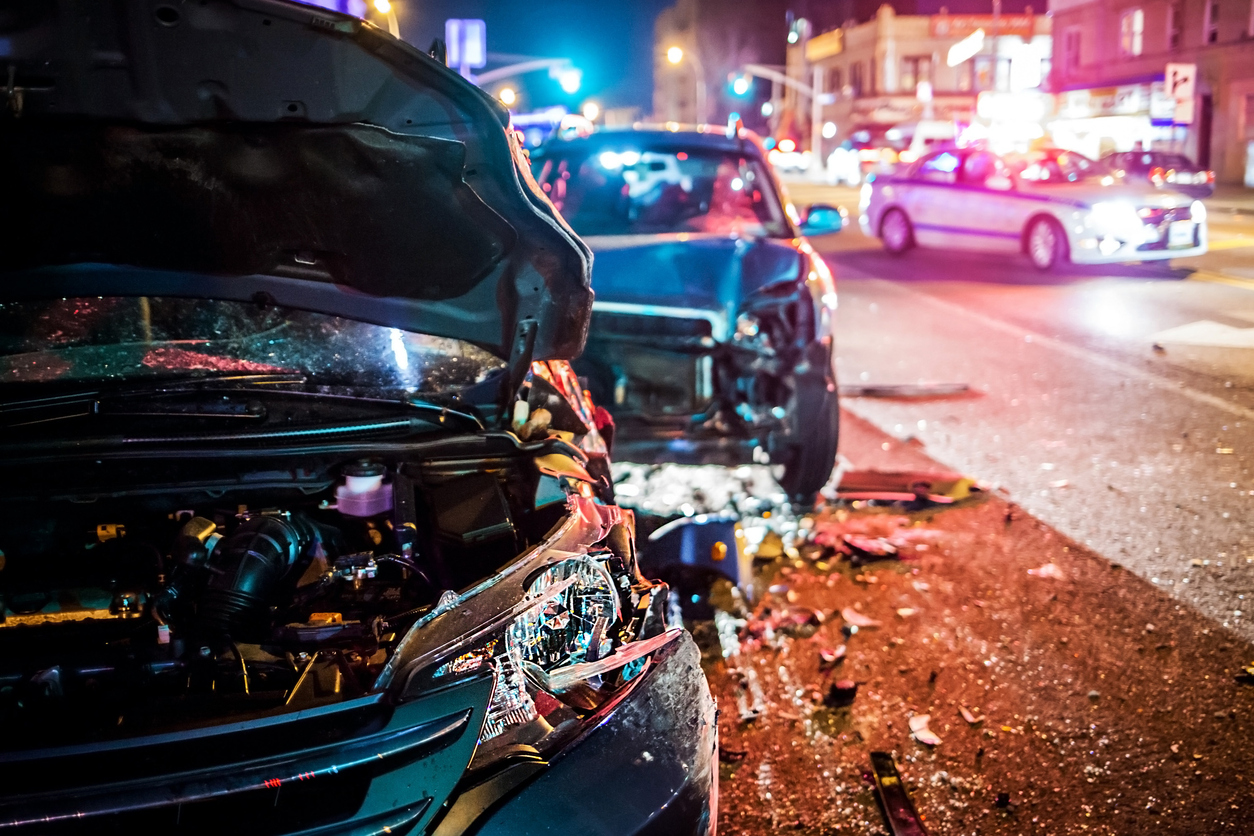
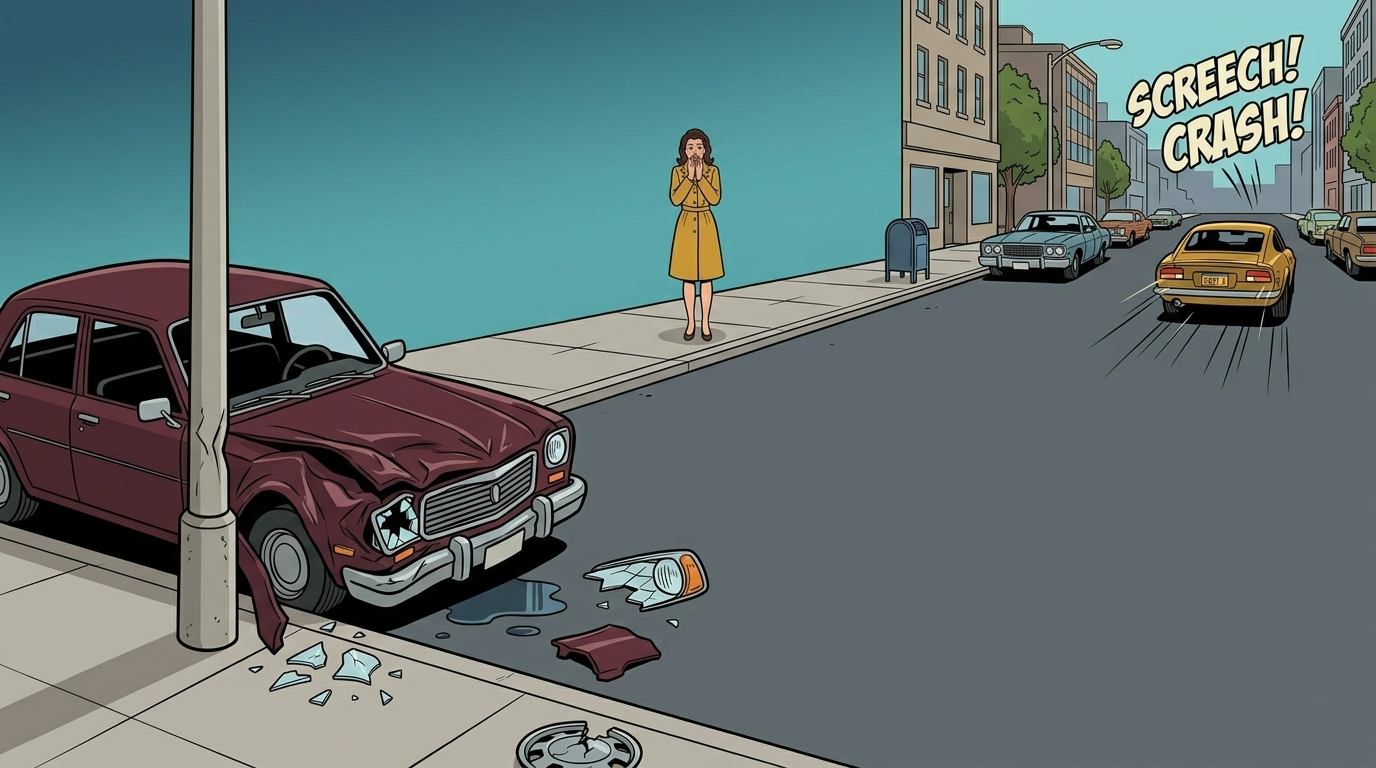
- You got slammed in traffic, looked up, and the other driver was already taking off.
- You got hit in a parking lot, walked out, and your car was crumpled — no note, no driver.
- You were injured and the car that did it just kept going.
Now you're thinking:
- "What do I do after a hit-and-run accident?"
- "Can I get compensated if the hit-and-run driver is not found?"
- "Do I need a hit-and-run car wreck lawyer for this, or am I just stuck?"
- "How does uninsured motorist hit-and-run coverage work?"
From my seven-foot-tall view, hit-and-run cases scare people more than almost anything else, because it feels like the person who hurt you just vanished and took your options with them.
TL;DR — The Short Version If you've been in a hit-and-run, you likely have more options than you think. Call 911 immediately (it's a crime in Texas — a felony if anyone was injured), document everything you can, and hunt for camera footage before it's overwritten. Your uninsured motorist (UM) coverage may pay for your injuries and damages even if the driver is never found. Don't give your insurer a recorded statement before talking to a lawyer. The first 72 hours are critical for preserving evidence and protecting your rights.
Table of Contents
- Treat It Like the Crime It Is — Call 911
- Gather Every Scrap of Info You Can
- Look for Cameras — Your Silent Witnesses
- Get Medical Attention
- Notify Your Insurance — But Be Careful
- Understand Uninsured Motorist Coverage
- Can You Get Compensated If the Driver Is Never Found?
- Why Quick Legal Help Really Matters
- Common Mistakes That Hurt Hit-and-Run Cases
- How Bennett Legal Can Help
Free consultation
Hit by a driver who ran? We can help.
Learn your options — including if the driver is never found. Free, no-pressure case evaluation with a Dallas car wreck lawyer.
9 Things To Do in the First 72 Hours if the Driver Vanishes
The good news? You often have more options than you think — if you move quickly and smartly. Let's walk through your legal options, step by step.
Step 1: Treat It Like the Crime It Is — Call 911 and Report Immediately
A hit-and-run isn't just "a bad driver being rude." It's a crime. If you're able:
- Call 911 from the scene.
- Tell them:
- You were in a hit-and-run car wreck
- Your location
- Whether anyone is hurt
- Any details you caught about the other vehicle (color, type, direction, plate digits)
Why this matters:
- A police report is crucial for investigation, insurance claims, and uninsured motorist coverage in many states.
- Waiting to report gives both police and insurance an excuse to say: "We can't verify this was really a hit-and-run."
Even if you're shaken up, make that call as soon as it's safe.
Not sure whether to call insurance or a lawyer first? We break that down here: Your First Call After a Car Wreck: Insurance Company or Lawyer?
Step 2: Gather Every Scrap of Info You Can — Even Small Details Matter
Hit-and-run drivers count on chaos and shock. You may not get a full license plate, but small bits help:
- Vehicle color (red, white, black, etc.)
- Type (pickup, SUV, sedan, commercial vehicle)
- Any business logo or markings
- Direction they fled
- Partial plate ("Texas plate, started with K7…")
Also:
- Take photos of your vehicle, the scene, and any debris.
- Note the time, weather, and road conditions.
- Get contact info for any witnesses.
Pro Tip from Tall Chuck: Don't talk yourself out of reporting details just because you're not 100% sure. Say, "I think it was a silver SUV headed east, maybe with a ladder rack," instead of staying silent. Police and insurers can sort out what's accurate — they can't work with what you never mention.
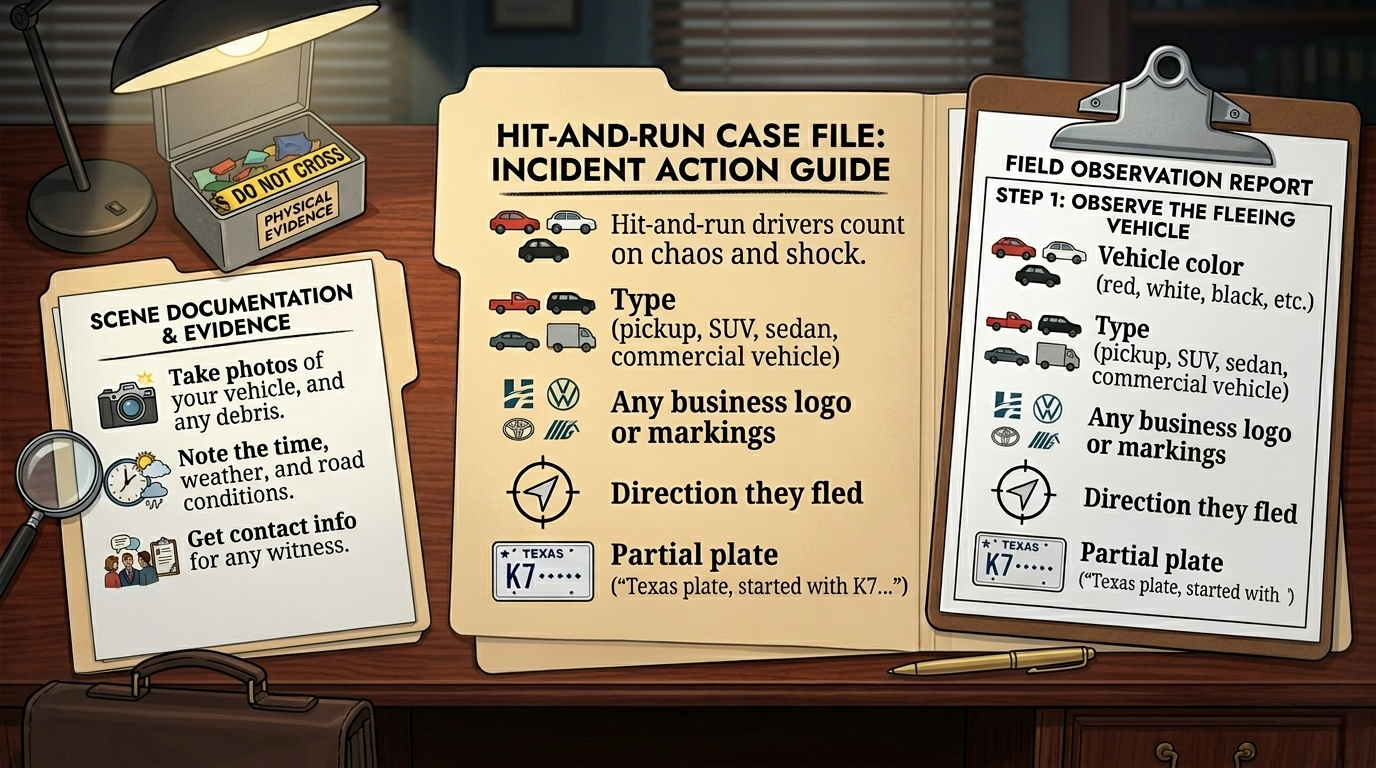 Hit-and-run incident action guide checklist
Step 3: Look for Cameras — Your Silent Witnesses
In modern life, a lot of wrecks are recorded without anyone noticing. Right after the wreck (or as soon as you can):
- Look around for doorbell cams, business security cameras, traffic cameras, and parking lot surveillance.
- If it's near businesses, go inside, ask for a manager, and ask if they have footage.
Important: Many systems overwrite footage in days — sometimes 24–48 hours.
A hit-and-run car wreck lawyer can send formal preservation letters and move faster than you can on your own. If you're in the Dallas–Fort Worth area and need help locking down footage fast, call Bennett Legal — we can send preservation letters within hours.
Step 4: Get Medical Attention — and Make the Crash Part of the Record
Even if you think you "just got shaken up," get checked. Tell the medical staff: "I was in a hit-and-run car wreck on [date] at [location]."
Make sure they document the wreck, your symptoms, and any loss of consciousness.
Why it matters: Your medical records are the backbone of any injury claim. If you wait days or weeks, the insurance company will say: "If this came from the hit-and-run, why did they wait so long to see a doctor?"
For more on building your medical evidence: Proving Injuries After a Car Wreck: 11 Key Types of Evidence
Step 5: Notify Your Insurance — But Be Careful What You Say
In many hit-and-run cases, you're making a claim under your own policy. That means your insurer is wearing two hats: "We're here to help" and "We're the ones who have to pay."
When you call:
- Report the date, time, location, that it was a hit-and-run, and that you're getting medical care.
- Avoid guessing fault, saying "I'm fine" when you're not, or giving a recorded statement before talking to a lawyer.
For a step-by-step walkthrough of the full claims process: From Crash Scene to Courtroom: A Car Wreck Lawyer's 6-Phase Roadmap
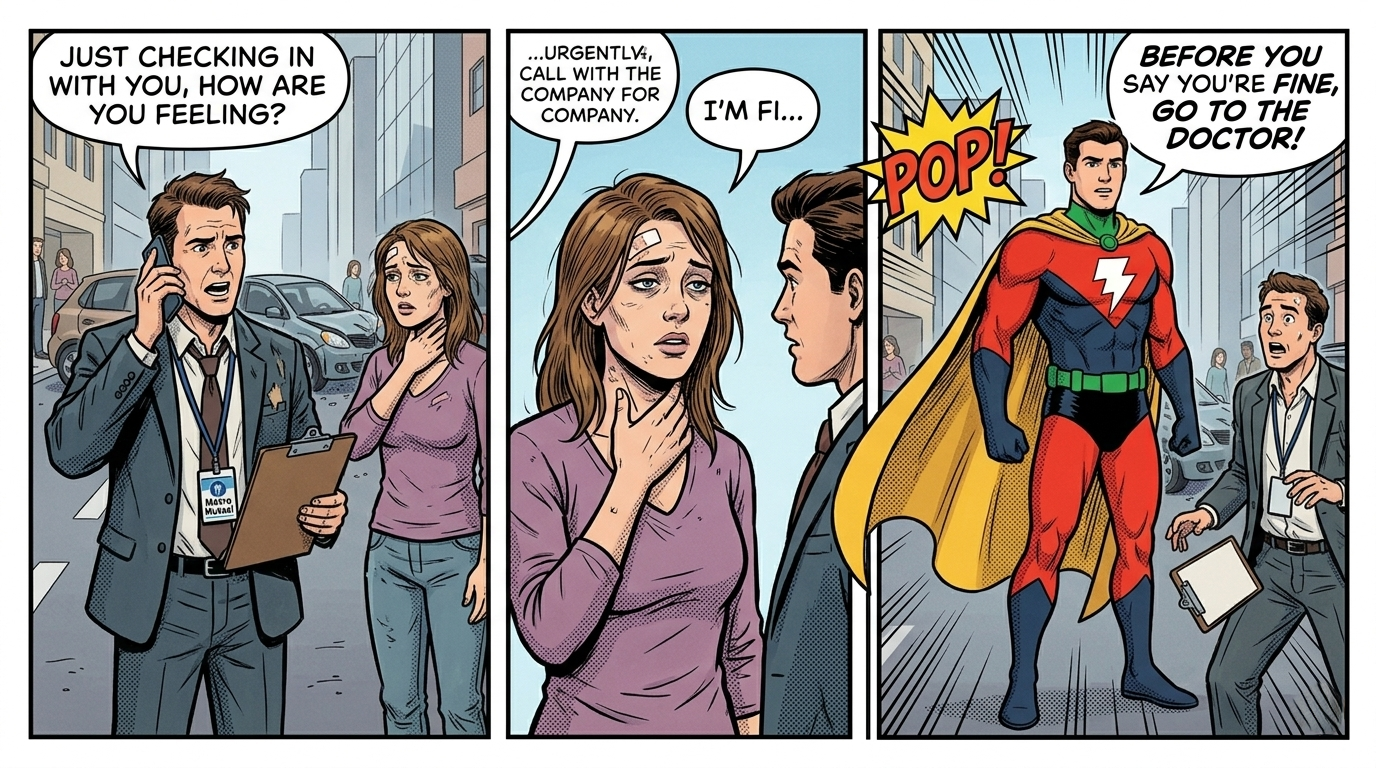 After a hit-and-run wreck, go to the doctor
Step 6: Understand How Uninsured Motorist Hit-and-Run Coverage Works
Here's where a lot of folks don't realize they have options. Uninsured motorist (UM) coverage can help in hit-and-run cases — even if the at-fault driver is never found.
Plain-talk version: If the driver who hit you takes off and can't be identified, your own UM coverage may step in and act like the hit-and-run driver's insurance — up to your UM policy limits.
But there are catches: some policies require prompt reporting to police and your insurer, and have specific wording about what "hit-and-run" means. This is why the first 24–72 hours matter.
Pro Tip from Tall Chuck: When you renew your auto policy, don't skimp on uninsured/underinsured motorist coverage. You're not buying protection for other people. You're buying protection for you in exactly this kind of hit-and-run nightmare.
For a full breakdown of UM/UIM claims: Uninsured and Underinsured Drivers: How to Build a Car Wreck Case
Step 7: Can You Get Compensated If the Hit-and-Run Driver Is Not Found?
Let's tackle this head-on.
Option 1: Through Your Uninsured Motorist (UM) Coverage
If you have UM and meet the policy's requirements, you can make a hit-and-run claim under your own policy. You still have to prove another driver caused the wreck, it was a hit-and-run, and your injuries and damages.
Your own insurer may lowball your damages. This is exactly why having a lawyer matters. Talk to Bennett Legal for a free case evaluation — we handle hit-and-run UM claims every week.
Option 2: If the Hit-and-Run Driver Is Eventually Found
Sometimes, with cameras, witnesses, or good police work, the driver is identified later. You can then pursue a liability claim against their insurance and/or a personal injury lawsuit. Even then, your UM coverage might still come into play if they have little or no insurance.
Step 8: Why Quick Legal Help Really Matters in Hit-and-Run Cases
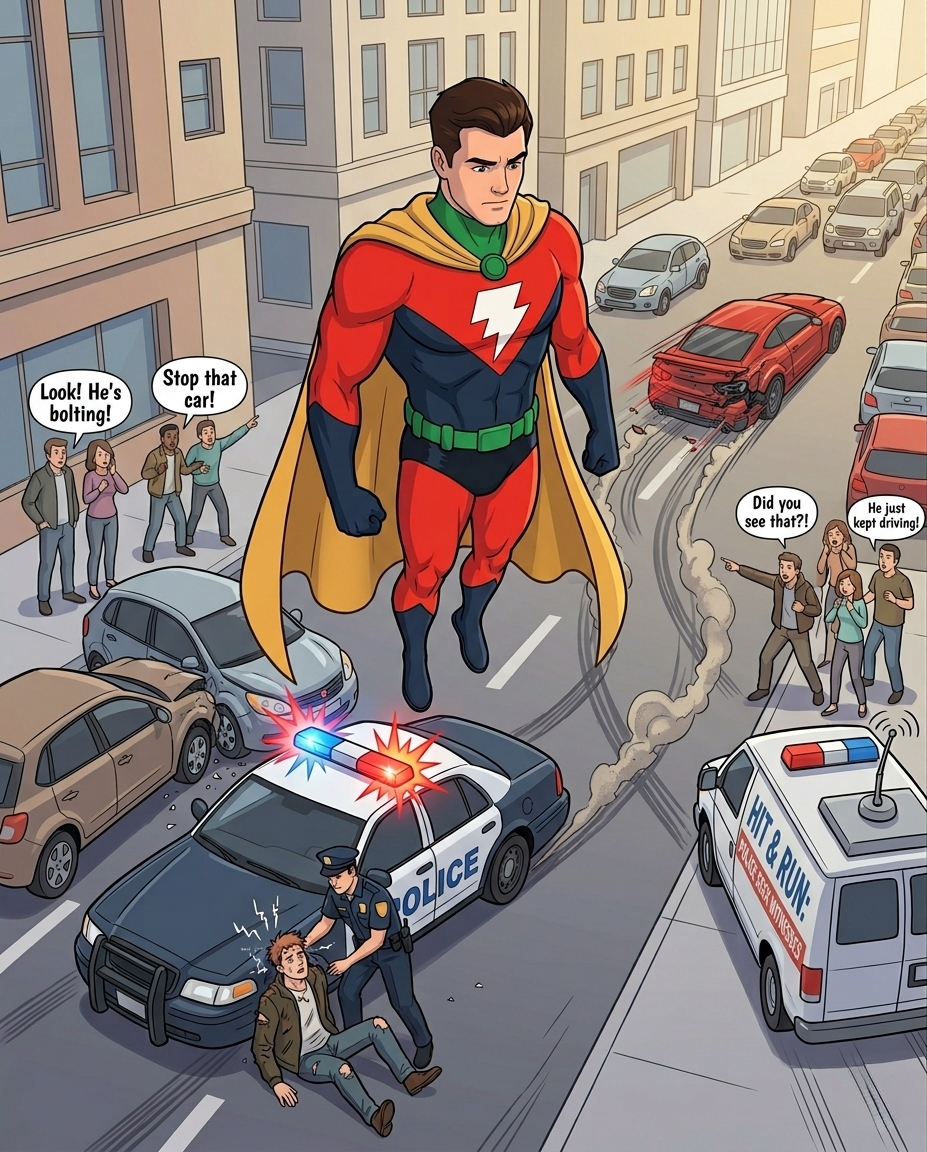
Hit-and-run cases are full of short-fuse issues:
- Camera footage can be overwritten in days.
- Witnesses disappear or forget.
- Your right to UM coverage may depend on fast reporting.
- Your own insurer may start building a file that makes your injuries sound minor.
A hit-and-run car wreck lawyer can preserve video evidence, protect you from early missteps, and step in between you and the insurance companies.
If you're reading this within the first 72 hours, now is the time to call. Reach out to Bennett Legal for a free, no-pressure case evaluation.
Step 9: Common Mistakes That Hurt Hit-and-Run Cases
- Not calling police because "they're already gone"
- Waiting days to see a doctor
- Posting on social media saying "I'm okay"
- Not checking whether they have UM coverage
- Assuming that no driver found = no compensation possible
- Trusting that their own insurer will automatically be generous
None of that means you're foolish. It means you're human — and the system is confusing on purpose.
For more on mistakes that can sink your case: 11 Costly Mistakes People Make in Car Wreck Lawsuits
How Bennett Legal Can Help You After a Hit-and-Run
When someone calls and says: "I was in a hit-and-run, the driver took off, and I don't know what to do next…" here's what we do:
1. Map Out Your Coverage and Legal Options
We look at your auto policy (especially UM and med-pay), health insurance options, police report, and potential camera and witness sources. Then we explain in plain English whether you can get compensated, what claims can be made, and what deadlines matter most right now.
2. Move Fast on Evidence
We contact businesses and agencies that may have relevant footage, send preservation letters, and help track down witness statements. The goal: keep the proof from disappearing.
3. Deal With Insurers So You Don't Have To
We handle communication with your insurance company, push back on lowball offers or unfair denials, and make sure your UM claim is properly presented and documented. You focus on healing. Let us argue with people who get paid to argue.
Real Result: How We Fought for Lindsay After a Hit-and-Run
Lindsay was in a hit-and-run wreck right here in Dallas. The Dallas Police Department tracked down the driver — but they didn't have their own insurance. We had to go after the driver's mother's policy.
The insurance company's first offer? $8,000.
We went on offense, dug deeper into the evidence, and pushed back hard. The result:
- Total settlement: $30,001 — full policy limits
- Lindsay took home ~47% ($14,165.20) after fees and costs
- Signed the settlement agreement and was paid just 35 days later
From Tall Chuck: Every case is different, and past results don't guarantee future outcomes. But Lindsay's story shows exactly why we don't flinch at the first offer. If the insurance company is lowballing you after a hit-and-run, that's not the end of the road — that's where the real work begins.
You're Not Powerless Just Because They Drove Away
Let me say this plainly:
- You're not weak because you didn't memorize a license plate in two seconds.
- You're not at fault because you got hit by someone who ran.
- You're not greedy for wanting your medical bills and lost wages covered.
A hit-and-run isn't just bad luck. It's someone's cowardly choice. Your choice now is whether to fight smart with the tools the law gives you.
At Bennett Legal, our mission is protecting families after wrecks and serious injuries, fighting insurance games, and turning a scary hit-and-run into a clear legal plan you can understand and act on.
Frequently Asked Questions: Hit-and-Run Accidents in Texas
Q: What should I do immediately after a hit-and-run accident in Texas? A: Call 911 right away — a hit-and-run is a crime under Texas law. Get a police report, document the scene with photos, gather witness information, and note any details about the fleeing vehicle. Then get medical attention, even if you feel okay. Prompt reporting is often required to preserve your right to file an uninsured motorist claim.
Q: Is a hit-and-run a felony in Texas? A: It depends on the severity. Leaving the scene of an accident involving property damage is a misdemeanor. If someone is injured, it becomes a felony — punishable by up to 5 years in prison for non-serious injuries, or 2–10 years for serious injury or death.
Q: Can I get compensated if the hit-and-run driver is never found in Texas? A: Often yes. If you carry uninsured motorist (UM) coverage, you can file a claim under your own policy even if the driver is never identified. You'll need to prove another driver caused the wreck and that it was a hit-and-run.
Q: How does uninsured motorist coverage work for hit-and-run accidents in Texas? A: Your UM coverage steps in as if it were the hit-and-run driver's insurance, covering medical bills, lost wages, and pain and suffering up to your policy limits. Some policies require prompt police and insurer notification to qualify.
Q: What is the statute of limitations for a hit-and-run case in Texas? A: The statute of limitations for personal injury claims is two years from the date of the accident. However, evidence like camera footage can be overwritten in days, so acting quickly is critical even though the legal deadline is two years out.
Q: Should I hire a hit-and-run car wreck lawyer in Dallas? A: If you have injuries, significant vehicle damage, or questions about your UM coverage, consulting a lawyer is strongly recommended. Bennett Legal in Dallas offers free initial consultations.
 Call Tall Chuck — Bennett Legal Dallas
If You've Been in a Hit-and-Run Car Wreck, Here's Your Next Step
Reach out to Bennett Legal in Dallas, Texas for a free case evaluation. We serve clients across Dallas, Fort Worth, and throughout the DFW metroplex.
Tell us: when and where the crash happened, what you remember about the other vehicle, what the police and medical reports say, and what your insurance company has told you.
We'll help you understand your options — even if the driver's never found, protect your rights under your own policy, avoid early mistakes, and decide whether you want Tall Chuck and the team in your corner.
You focus on your health and your family. Let us focus on the insurance, the evidence, and the fight.
Keep standing tall, folks. Chuck's got your back.
Related Articles from Bennett Legal:
- Your First Call After a Car Wreck: Insurance Company or Lawyer?
- From Crash Scene to Courtroom: A Car Wreck Lawyer's 6-Phase Roadmap
- Proving Injuries After a Car Wreck: 11 Key Types of Evidence
- Uninsured and Underinsured Drivers: Building a Case Without Enough Coverage
- 11 Costly Mistakes People Make in Car Wreck Lawsuits
Free consultation
Hit by a driver who ran? We can help.
Learn your options — including if the driver is never found. Free, no-pressure case evaluation with a Dallas car wreck lawyer.