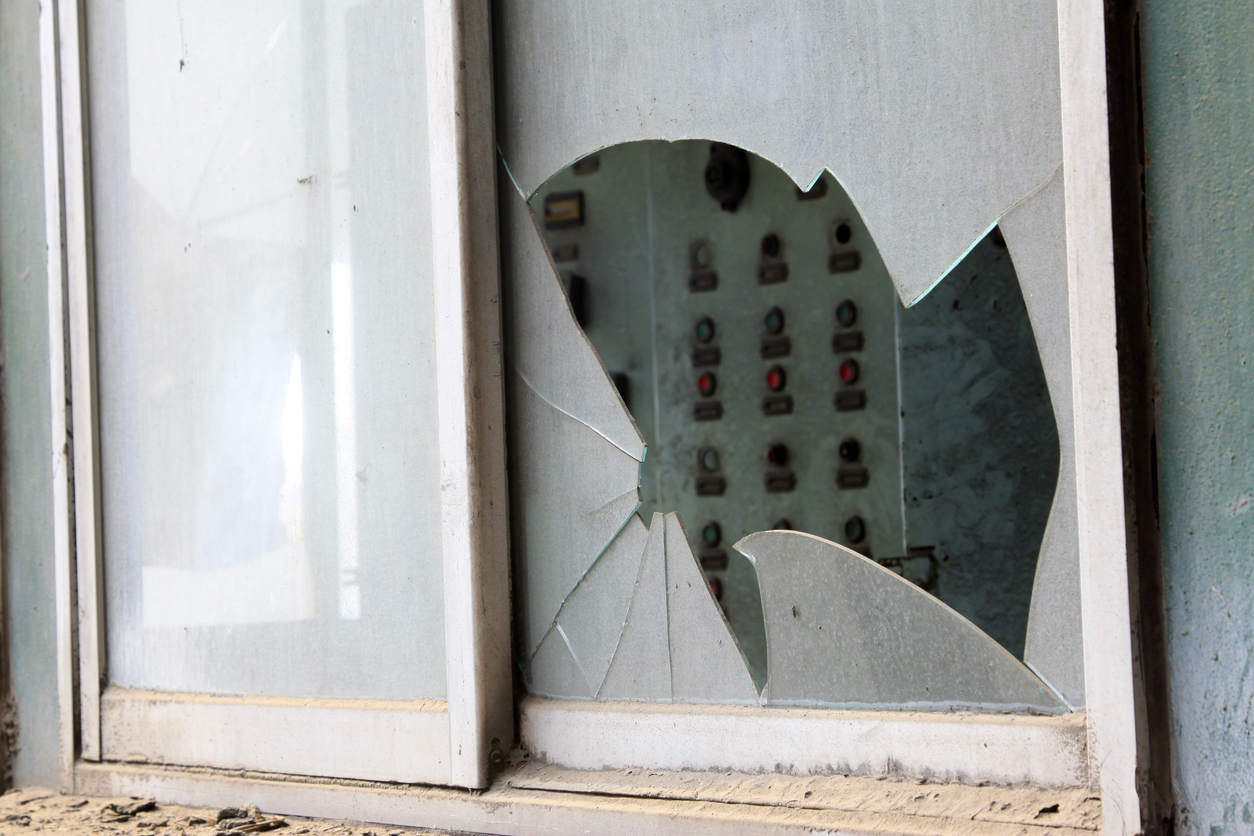
Maybe you slipped on a wet floor. Maybe a broken step gave out beneath you. Maybe the lighting was so dim that you never saw the hazard coming.
You were on someone else's property — a store, an apartment complex, a friend's home — and something went wrong. Now you are wondering whether the property owner violated their duty of care.
You are injured, facing medical bills, dealing with lost income, and asking the same question nearly every client asks us: "Should the property owner have prevented this?"
Texas law has a clear answer. Property owners must keep their premises reasonably safe for visitors, and when they fail to do that, they can be held legally responsible for the harm you suffer. If you need help, learn more about our premises liability practice.
This guide breaks down exactly what that duty of care looks like, who receives the highest level of protection, and what steps you can take right now to protect your claim.
Free consultation
Injured on someone else's property?
Property owners have a duty to keep you safe. Free consultation.
Understanding the Duty of Care in Texas
Texas property owners must take reasonable steps to protect lawful visitors from hazards that can cause injuries. This includes fixing dangerous conditions, warning visitors about known threats, and addressing risks that could foreseeably cause harm.
But the exact obligation depends on why you were on the property. Texas recognizes three categories of visitors, and each category affects your rights.
How Texas Classifies Visitors
1. Invitees: Highest Protection Under Texas Law
You are an invitee if you entered the property for the owner's benefit. Examples include:
- Customers at a business
- Tenants in an apartment complex
- Delivery workers performing job duties
If you were an invitee, the property owner had the highest duty of care to protect you. They must:
- Inspect the property regularly
- Fix hazards promptly
- Warn you about dangers you would not easily notice
If a store ignored a spill or left a broken railing unaddressed, and it caused your fall, this category often leads to strong premises liability claims.
2. Licensees: Moderate Protection
You are a licensee if you entered the property for personal or social reasons, such as being a guest at someone's home.
The owner must warn you about dangers they already know about, but they do not have a legal obligation to actively inspect for hazards.
3. Trespassers: Limited Protection
Texas property owners cannot intentionally harm trespassers. Other than that, the duty is minimal unless one important exception applies.
The Attractive Nuisance Exception
Children are treated differently under Texas law. If a property feature is likely to attract children — such as a pool, trampoline, abandoned structure, or construction equipment — the owner must secure it. Children do not understand risks the way adults do, and the law recognizes that. Learn more about attractive nuisances and liability.
How Property Owners Breach Their Duty
A breach occurs when the owner fails to act the way a reasonably careful person would under similar circumstances. Here are the situations we see most often in Texas:
1. Ignored or Unrepaired Hazards
Examples include:
- Spills on floors
- Loose flooring or carpeting
- Broken handrails or steps
- Cracked sidewalks
- Leaking ceilings that create slippery surfaces
If the owner knew or should have known about the hazard and failed to address it, that may be negligence.
2. Poor Lighting
Dim lighting hides hazards and increases the risk of falls and attacks in stairwells, parking lots, and walkways. Learn more about how poor lighting contributes to negligent security claims.
3. Weather-Related Hazards
Even in Texas, ice and snow can accumulate. Property owners must take reasonable steps to treat dangerous walkways within a reasonable amount of time.
4. Known Hazards With No Warning
If the owner was aware of a danger and failed to warn you, liability is likely.
5. Inadequate Security
If crime in the area was foreseeable and the property lacked basic protective measures — lighting, cameras, gates, or controlled access — the owner may be responsible for injuries caused by criminal acts. Read our all-in-one guide to negligent security for more details.
What You Must Prove to Win a Premises Liability Claim
Texas requires you to show six things:
- You were lawfully on the property.
- A dangerous condition existed.
- The owner knew or should have known about the danger.
- They failed to fix it or warn you.
- You were injured because of that failure.
- You suffered damages.
Your attorney will build the evidence needed to prove these points. Learn more about how long it may take to settle your personal injury claim.
What You Should Do After an Injury on Someone Else's Property
Step 1: Get Medical Help
Treatment documents your injuries and creates a clear timeline.
Step 2: Photograph the Hazard
Take pictures of the dangerous condition and the surrounding area if you are able.
Step 3: Gather Witness Information
Witness statements can support your version of events.
Step 4: File an Incident Report
If the injury happened at a business, notify management right away.
Step 5: Contact a Texas Premises Liability Lawyer
Property owners and insurance companies move quickly to limit their exposure. An attorney can protect your rights from the start. Learn more about how to deal with the insurance company after an accident.
How a Texas Lawyer Proves the Owner Was Negligent
Evidence often includes:
- Surveillance footage
- Maintenance logs
- Prior complaints
- Photos and videos of the hazard
- Medical documentation
- Witness statements
The earlier an attorney is involved, the faster this evidence can be preserved. Hazards are often repaired immediately after an incident, making early documentation critical.
What Winning Your Case Can Include
You may be able to recover compensation for:
- Medical bills
- Lost wages
- Future treatment needs
- Pain
- Physical limitations
- Emotional harm
- Reduced earning capacity
The value of your case depends on the severity of your injuries and how the hazard impacted your life.
How Bennett Legal Helps You Move Forward
At Bennett Legal, we work with clients who feel blindsided by an injury that should never have happened. When you call us, our team begins by examining the conditions that caused your injury and identifying the owner's failures.
We handle the parts of the process that overwhelm most people:
- Preserving evidence before it disappears
- Investigating whether the hazard had been reported before
- Reviewing maintenance records and safety policies
- Identifying every party responsible
- Calculating the full financial impact of your injury
- Communicating with the insurance company so you don't have to
We take premises liability cases on a contingency fee. You pay nothing up front. We only get paid when we recover money for you.
If a property owner's negligence caused your injury, you deserve answers and a clear path forward. Our team is ready to help you take the next step. Contact Bennett Legal today for a free consultation.
Related Reading
Free consultation
Injured on someone else's property?
Property owners have a duty to keep you safe. Free consultation.