Your monitoring app shows zero production, your utility bill hasn't changed, and the automatic payments for your new solar loan have already started drafting from your account. The crew left weeks — or months — ago. The panels are on your roof, the inverter is on your wall, but nothing is happening. You are paying for a very expensive roof ornament.
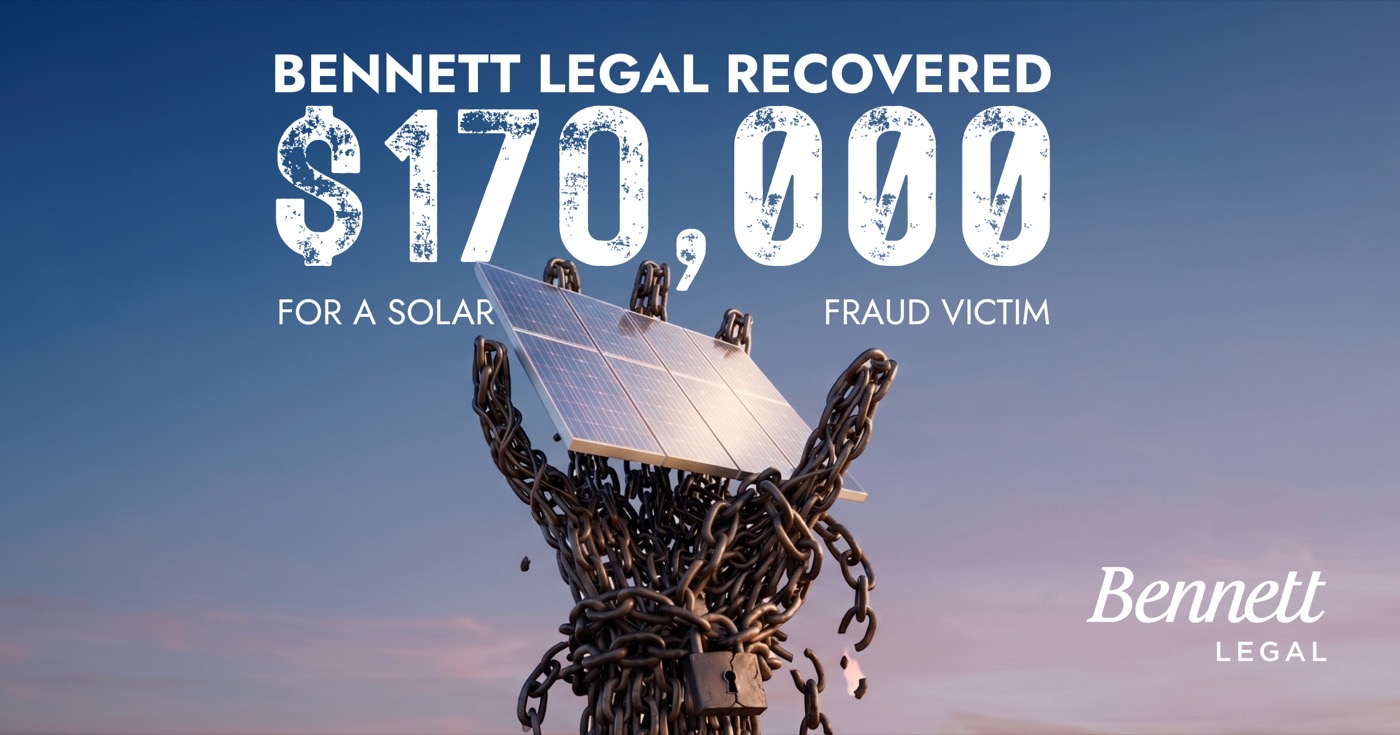
$170,000+ recovery
Against Sunlight Financial · Solar fraud arbitration
- $113,000 loan cancelled
- UCC lien removed
- Credit repaired
- $58,000 cash to client
Past results do not guarantee a similar outcome. Every case is different.
This is called "solar limbo" — the gap between physical installation and the moment your utility company approves the system to produce power. A short delay can be normal. An extended period of paying for a dead system is a massive red flag — and in many cases, it is exactly what solar fraud looks like.
Free consultation
Solar panel contract problems?
We help homeowners fight back against solar fraud. Free consultation.
Direct Answer: Is This a Scam?
It can be. While some delays are legitimate, an installer who has gone silent after taking your money and leaving you with a dead system is, at best, deeply incompetent and, at worst, has committed outright fraud.
The key to understanding your situation is a three-letter acronym: PTO, which stands for Permission to Operate.
Your solar system cannot be legally turned on until your local utility company grants PTO. To get this permission, the solar company must successfully complete a multi-step process after the physical installation, which includes passing a final city inspection and submitting a detailed application to the utility.
If you are paying for a system that isn't on, it means the solar company has failed somewhere in this critical final stage.
Legitimate Explanations for a PTO Delay (Rare, but Possible)
- Utility Backlog: After a major storm or during a busy season, some utility companies get swamped with applications, and their review process can take several weeks.
- Minor Inspection Corrections: The city inspector may have flagged a small, easily fixable issue that needs to be corrected before they will pass the system.
- Paperwork Errors: A simple typo or missing document in the utility application can cause it to be rejected, forcing the installer to start over.
A legitimate company will be in constant communication with you about these delays. Silence is the number one red flag. See the full list: 7 Red Flags That Signal a Solar Panel Scam →
Red Flags: How to Know You're in "Solar Limbo"
- The Company Has Gone Silent: You have been calling and emailing your project manager for weeks with no response.
- They Failed the City Inspection: The company is being evasive about the status of your final inspection. You can call your local city building department directly to see if the inspection passed or failed.
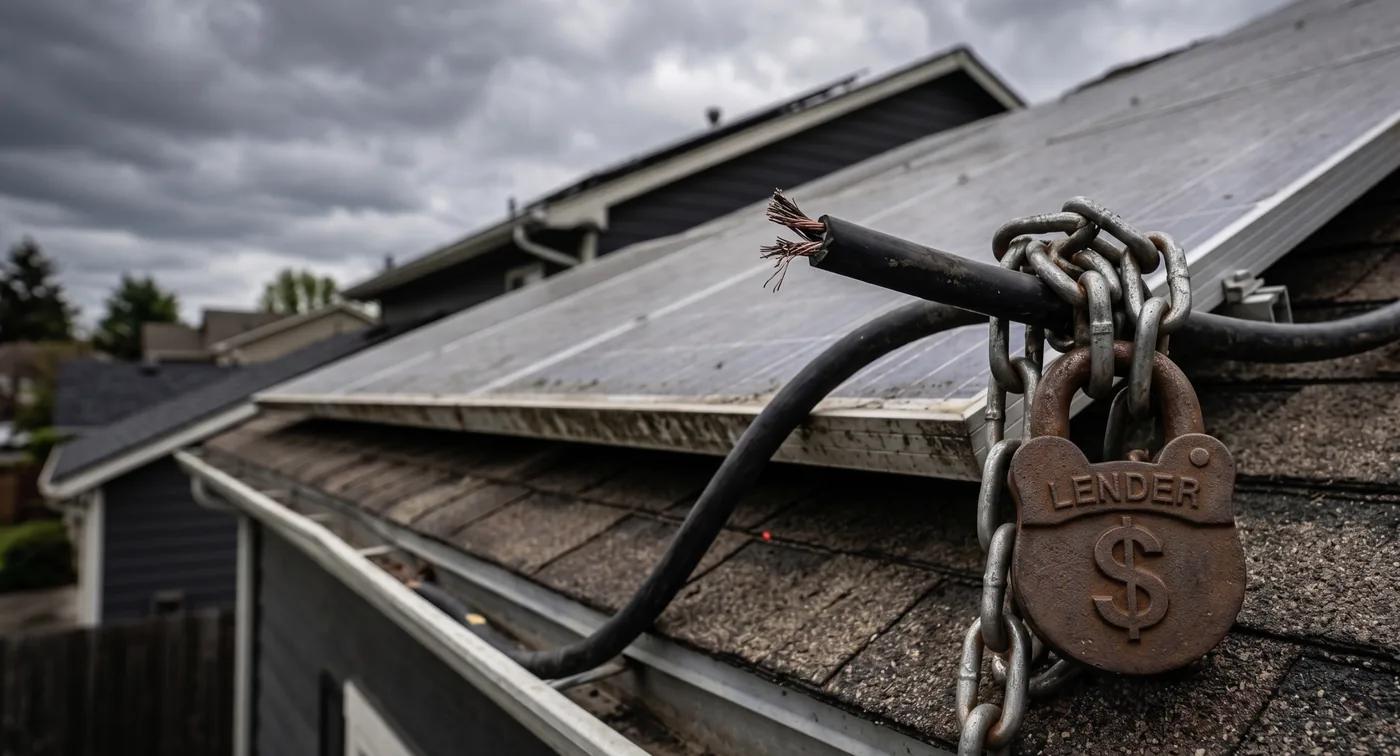
- The Lender Demands Payment Anyway: The financing company tells you your loan is "separate from the installation" and that you are required to pay, even if the system has never generated a single watt of power. This is a common pressure tactic — you may have more legal options than they want you to know.
- They Blame the Utility Company for Everything: A common scam is for a shady installer to use the utility as a scapegoat for their own failure to submit correct paperwork.
Recognizing these red flags in your situation? Get a free case evaluation →
The Financial Fallout: The High Cost of a Dead System
- Paying Two Power Bills: You are paying your full, unreduced utility bill plus your new monthly solar loan or lease payment.
- Risking Your Tax Credit: The Federal Solar Tax Credit has specific "in-service" date requirements. Delays could complicate your ability to claim the credit.
- An Unsafe, Illegal Installation: Often the reason for a major PTO delay is that the system failed inspection for a serious safety reason like faulty wiring.
- The "Orphaned" System: The worst-case scenario is that the solar company has gone into bankruptcy or disappeared after the installation — leaving a UCC lien on your home and no one left to call.
Paying two power bills while your system sits dead? That's not a delay — that's damages. Talk to a solar fraud attorney →
Your Legal Rights: The "Breach of Contract" Doctrine
Your contract is for a working solar energy system, not just for a collection of parts on your roof. If the company fails to get your system activated within a reasonable amount of time, they are in breach of contract.
- The Implied Duty of Good Faith and Fair Dealing: Every contract comes with an implied promise that both parties will act in good faith to fulfill their obligations.
- Failure to Deliver a "Turnkey" System: Most solar contracts are sold as "turnkey" solutions. Failing to secure PTO is a failure to deliver the product you paid for.
- Violations of State Contractor Laws: Leaving a customer with a non-working system after taking payment is a textbook case of project abandonment.
State-by-State: Who Protects You from Abandoned Projects?
| State | Key Regulatory Body | What They Can Do |
| California | CSLB (Contractors State License Board) | Can order the contractor to finish the work or pay restitution. |
| Texas | Attorney General's Office & Local DAs | Investigate contractors for deceptive trade practices. |
| Florida | DBPR (Dept. of Business & Professional Regulation) | Can suspend or revoke a contractor's license for project abandonment. |
| Arizona | ROC (Registrar of Contractors) | Has a "Recovery Fund" that can compensate homeowners harmed by a licensed contractor's abandonment. |
| New Jersey | Division of Consumer Affairs | Uses the Consumer Fraud Act to sue contractors who take payment and fail to complete work. |
Your Action Plan to Escape the Solar Limbo
- Call Your City Building Department. Ask for the complete inspection history for your address. This information is public record.
- Call the Utility Company's Interconnection Department. Ask if they received a complete and correct application from your solar installer.
- Send a Formal "Demand to Perform" Letter. Put your complaint in writing via certified mail and demand they complete all necessary inspections and secure PTO within a firm deadline.
- Dispute the Charges with Your Lender. Send a copy of your demand letter to the financing company, informing them you are disputing the loan. Your legal options for fighting the lender →
- File Regulatory Complaints. File formal complaints with your state's contractor licensing board and your Attorney General's office.
- Consult a Solar Fraud Attorney.
You Paid for Power, Not Parts. We Can Help You Get It Turned On.
At Bennett Legal, we fight for homeowners trapped in solar limbo. We know the exact steps to take and the right agencies to call to force these companies to finish the job — or pay for it.
We investigate the paper trail, put legal pressure on the installer, fight the finance company, and pursue damages for your losses.
Get Your Free Case Evaluation →
Not sure if your situation qualifies? Read how we helped a Texas homeowner recover $170,000 from Sunlight Financial — after her panels never produced a single watt.
Frequently Asked Questions
How long does it normally take to get PTO after solar panels are installed?
A reasonable timeframe for passing inspection and getting Permission to Operate (PTO) is typically 3 to 6 weeks after the physical installation is complete. Delays beyond two months are a major red flag.
Do I have to pay my solar loan if the system is not turned on?
While the finance company will claim you do, you have a strong legal argument that you should not have to pay for a product that was never delivered in a working condition. Learn how to challenge your solar loan →
What is a "failed inspection" and can it be fixed?
A failed inspection means a city inspector found that some part of the installation does not comply with local building or electrical codes. A legitimate contractor can and must fix these issues.
Can I sue a solar company for not activating my system?
Yes. If you have paid for a system and the company has failed to get it activated in a reasonable timeframe, you can sue them for breach of contract, negligence, and violations of your state's consumer protection laws.
Free consultation
Solar panel contract problems?
We help homeowners fight back against solar fraud. Free consultation.