If you need help, learn more about our Solar Panel Financing Fraud.
$170,000+ recovery
Against Sunlight Financial · Solar fraud arbitration
- $113,000 loan cancelled
- UCC lien removed
- Credit repaired
- $58,000 cash to client
Past results do not guarantee a similar outcome. Every case is different.
If you’ve been approached by a solar company promising “no electric bill” and “$0 out of pocket,” your decision between leasing and financing isn’t just about payment structure - it can decide your exposure to fraud and your legal options if things go wrong.
This guide explains the differences, exposes how hidden dealer fees are built into each option, and unpacks the Vertical Bucket Model of solar‑finance fraud so you can protect yourself.
1. How Solar Financing Models Work
Solar Leasing
A lease means you don’t own the panels - you simply pay a fixed fee to use them.
Common features:
- Terms lasting 20–25 years
- Annual payment escalators
- Early‑termination penalties
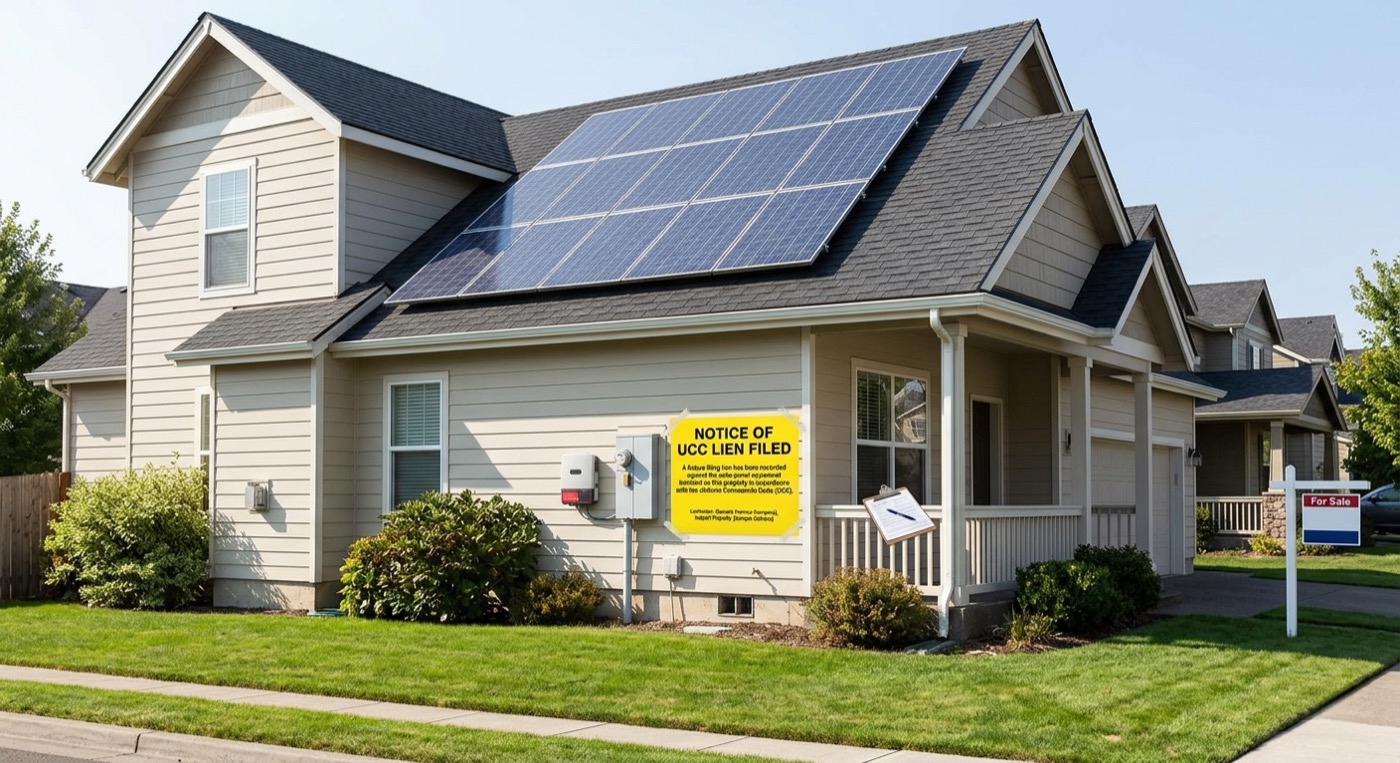
- UCC‑1 liens on your home
- Limited transparency on system performance
Risk: Fraud can hide for years in leases, and because many leases fall outside FTC Holder Rule protections, you may have less leverage against financiers.
Solar Purchase with Financing
Here, you own the panels, but the loan terms can be manipulated through dealer fees:
- Embedded fees as high as 20-40% of the contract price
- Lower APRs marketed, but at the cost of inflated principals
- Fee details rarely disclosed
Benefit: Loans made for a specific product or service often trigger FTC Holder Rule protections, giving you more ability to fight lenders in fraud situations.
2. The Vertical Bucket Model of Solar‑Finance Fraud
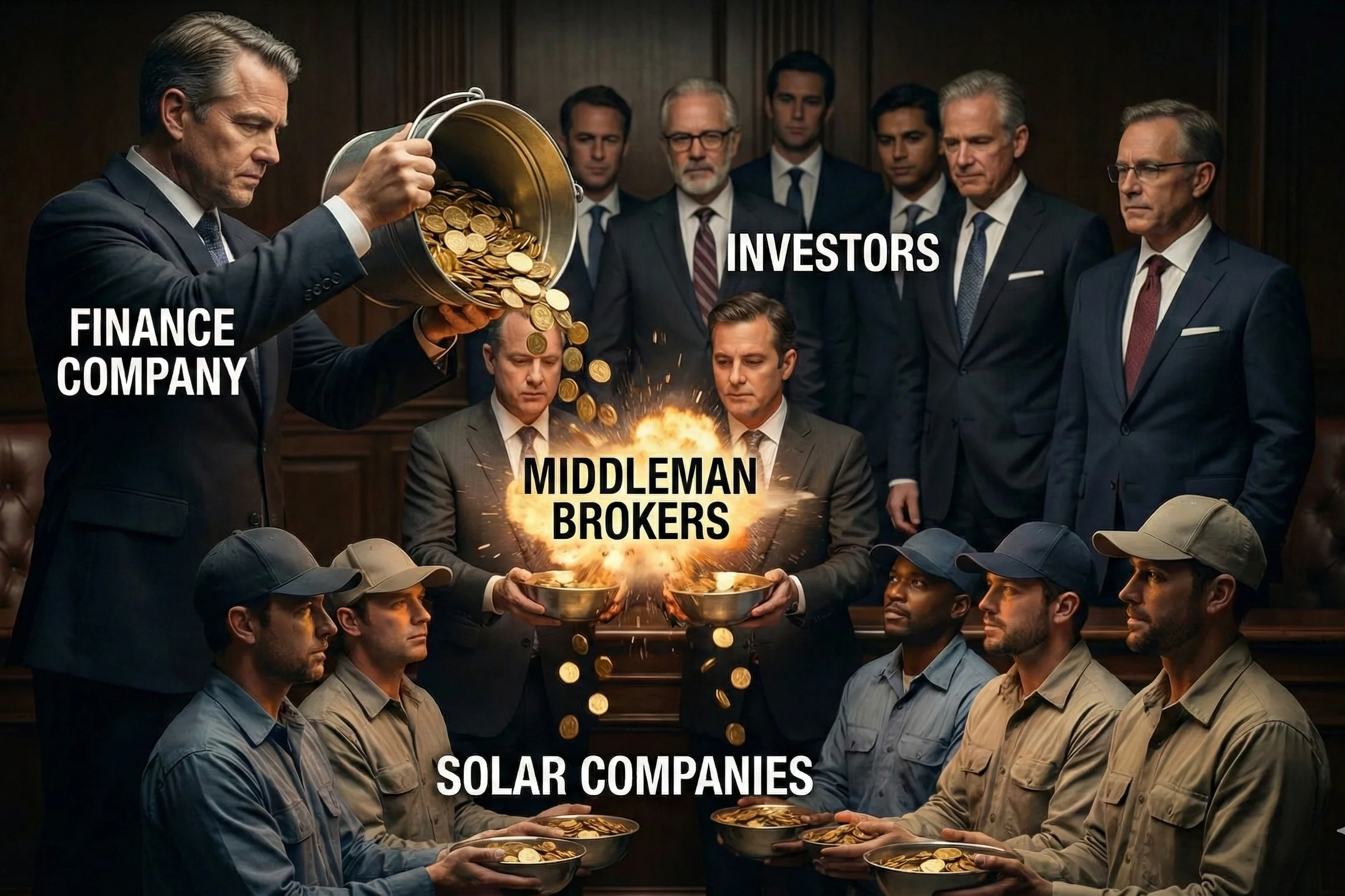
Fraud runs through the solar industry like a pipeline - money flows down, creating incentives for deception, while debt flows up to protected investors.
Top Layer: Finance Companies
Examples: GoodLeap, Sunlight Financial, Mosaic, Dividend.
They:
- Profit fully before the system operates
- Control dealer fee tables
- Require no proof of installation quality
- Sell contracts into securitization trusts
Legal angle: May be pursued under Holder Rule and other claims.
Layer Two: Platform Brokers
Portals like GoodLeap, Sunlight, or PowerHub create:
- Hidden dealer fees inside principal
- APR choices tied to higher fees
- Apparent separation from lenders while being central to pricing fraud
Violations: State deceptive trade acts (e.g., DTPA) for nondisclosure of financing terms.
Layer Three: Solar Proposal Software
ModSolar, Solo, Enerflo:
- Automate false “savings” projections
- Toggle dealer fees to maximize sales commissions
- Institutionalize fraud by removing human checks
Layer Four: Solar Companies
National chains down to shell LLCs:
- Dependent on lender portals
- Rebrand and declare bankruptcy frequently to avoid liability
- Survive by securing instant funding from lenders
Layer Five: Sales Armies
Door‑to‑door and telemarketing crews:
- Push “free panels” or “government programs”
- Focus on low monthly payments, ignoring APR disclosure
- Earn higher commissions from inflated dealer fees
Layer Six: Trainer Channels
Sales trainers:
- Teach concealment of dealer fees
- Coach tax‑credit misrepresentation
- Spread scripts for deceptive closes
Layer Seven: Installers
- Subcontracted work, often unlicensed
- Roof damage leads to negligence claims
- No stake in long‑term performance
Bottom Layer: The Consumer
End result:
- Non‑working system
- 25–30 years of debt
- UCC lien limiting home refinancing or sale
- APR engineered through concealed dealer fees. See also: solar companies selling your contract without permission.
3. Lease vs Loan - Risk Comparison Table
| Factor | Lease | Purchase with Financing |
| Ownership | Lessor retains | You own |
| Dealer Fee Impact | Built into monthly payment | Inflates loan principal |
| UCC Lien Risk | Yes | Yes |
| Holder Rule Protection | Maybe | Often available |
| Early Termination | Highly costly | Costly but negotiable |
| Fraud Discovery | Often late | Earlier, post‑installation |
4. Legal Remedies
Contract
- Breach of warranty
- Misrepresentation
- Rescission rights
Statutory
- FTC Holder Rule (16 CFR §433)
- State deceptive trade practices acts
- Unfair business practices statutes
5. Protect Yourself Before Signing
- Get dealer fee disclosure in writing
- Verify licenses for sales reps and installers
- Demand printed contracts before signing
- Research lenders in the CFPB database
FAQs
Q1: Can I break a lease if misled?
Possible, but terms are restrictive - rescission usually requires strong proof of misrepresentation.
Q2: What’s a dealer fee?
An undisclosed charge paid to the lender, inflating your loan to make APRs look lower.
Q3: Do UCC liens matter?
Yes - they can block sales and refinances until satisfied.
Conclusion
Whether leasing or financing, understanding the fraud supply chain is your strongest defense. The differences are significant, but both models can expose you to scams - the key is recognizing dealer fee manipulation and asserting your rights early.

Related Reading
Free consultation
Solar panel contract problems?
We help homeowners fight back against solar fraud. Free consultation.